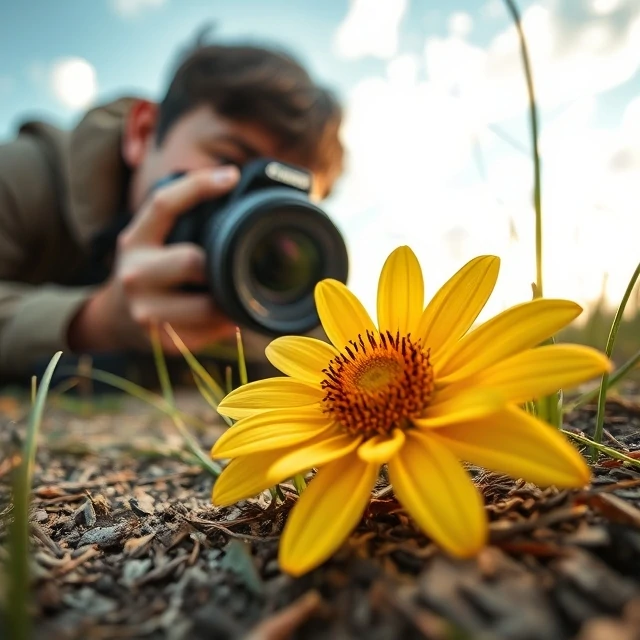
Vantage point is the position from which a photograph is taken. It is where the photographer stands, sits, kneels, or climbs. It determines what is included in the frame and how the scene is rendered. A high vantage point looks down. A low vantage point looks up. A straight-on vantage point is neutral. Changing vantage point changes the relationship between the subject and the background. It changes the perspective. It changes the story.
Vantage point is one of the most powerful tools in photography, and one of the most overlooked. Many photographers find a spot and shoot from eye level. They do not crouch, climb, or move. But moving a few feet can transform an image. A low angle makes a subject look powerful. A high angle makes it look small. A vantage point from above can reveal patterns. A vantage point from below can isolate a subject against the sky. The best vantage point is not always the most convenient. It might require climbing a hill, wading into a river, or lying on the ground. The effort is often worth it. The difference between a snapshot and a photograph is often the vantage point.
Vantage point effects
- Low angle. Subject looks powerful or imposing.
- High angle. Subject looks small or vulnerable.
- Eye level. Neutral and familiar.
- Bird's-eye. Overhead view, reveals patterns.
- Worm's-eye. Ground-level view, dramatic.
Vantage point is not the same as perspective. Perspective is how the scene looks. Vantage point is where you are standing. The two are related, but they are not the same.
Comments
No comments yet. Be the first to share a thought.
Leave a comment