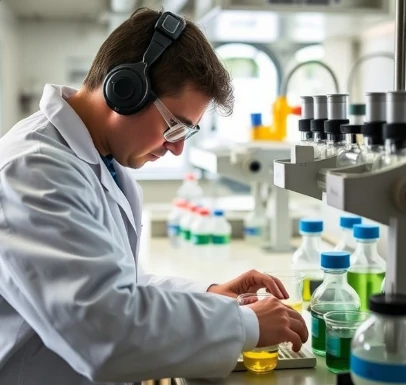
Seawater is far more than salt and water. Chemical oceanographers study the full suite of dissolved elements, gases, organic compounds, and particles, and the processes that control their distributions and transformations.
Key topics include the carbonate system and ocean acidification, nutrient cycles that limit primary production, trace-metal availability, and the fate of pollutants. Analytical methods range from shipboard titration and spectrophotometry to mass spectrometry and sensor-equipped autonomous platforms. The data reveal how biology, circulation, and human inputs interact to shape ocean chemistry.
Chemical oceanography supplies essential constraints for climate models and for understanding past ocean conditions recorded in sediments and corals. It also informs management of coastal water quality and the assessment of emerging contaminants such as microplastics and pharmaceuticals. Collaboration with biologists, physicists, and geologists is routine because chemical patterns both influence and reflect physical and biological processes.
A single water sample can yield dozens of chemical measurements that together tell a detailed story of its history.
Comments
No comments yet. Be the first to share a thought.
Leave a comment