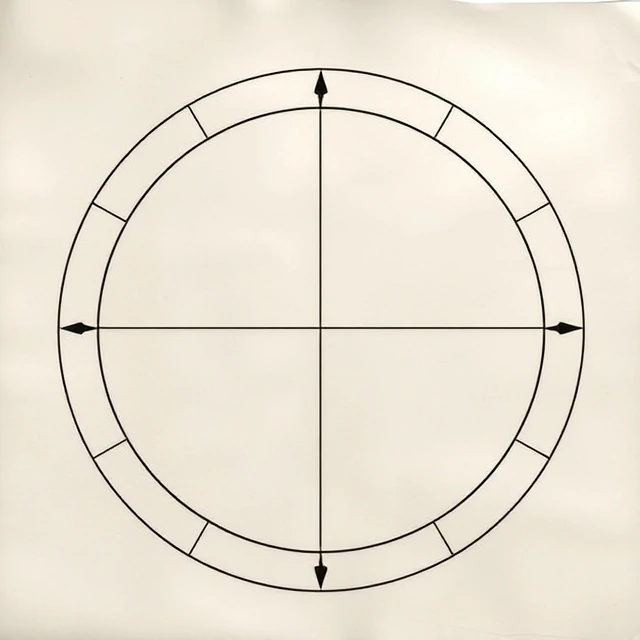
The diameter is the longest straight line you can draw across a circle. It passes through the center and connects two points on the edge. Its length is twice the radius.
The ratio of circumference to diameter is pi, a constant that appears throughout mathematics. That relationship lets you find any of the three—circumference, diameter, or radius—if you know one of the others. The diameter also defines the circle's size and is used in formulas for area and volume.
In engineering, diameter specifications matter for pipes, bolts, gears, and shafts. A pipe's diameter determines flow rate; a bolt's diameter determines strength. In astronomy, the diameter of a telescope's mirror or lens sets its light-gathering power. The concept is simple, but its applications are everywhere.
- Distance across a circle through the center
- Twice the radius
- Circumference = π × diameter
- Critical in engineering and optics
Comments
No comments yet. Be the first to share a thought.
Leave a comment