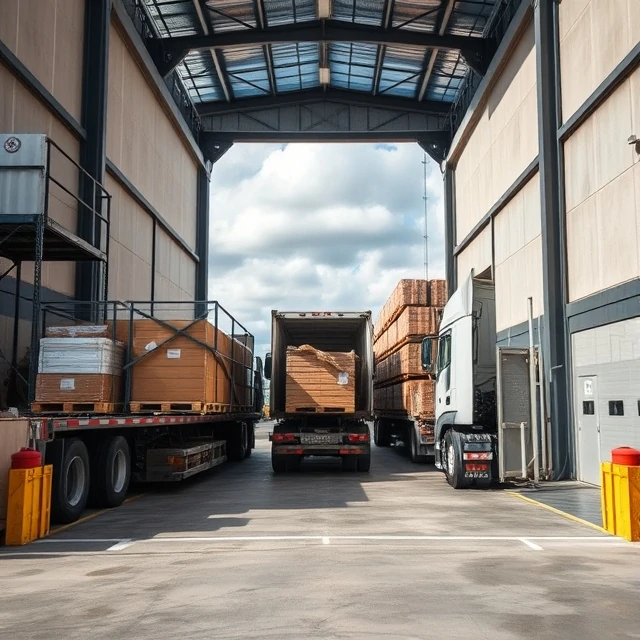
Some goods barely stop moving. Cross-docking is the practice of transferring inbound shipments directly to outbound vehicles with little or no intermediate storage.
Receiving docks and shipping docks operate in close coordination so that products flow across the dock face within hours. The method suits high-volume, predictable flows such as retail replenishment and perishable distribution. Inventory holding costs drop because product spends minimal time in the building.
Success depends on precise scheduling, accurate advance shipping notices, and rapid sorting. When timing slips, the dock becomes congested and the advantage disappears. Cross-docking works best when supply and demand are tightly synchronized.
- Direct transfer from inbound to outbound vehicles
- Minimizes or eliminates storage time
- Suits high-volume, time-sensitive flows
- Requires tight scheduling and information accuracy
Comments
No comments yet. Be the first to share a thought.
Leave a comment