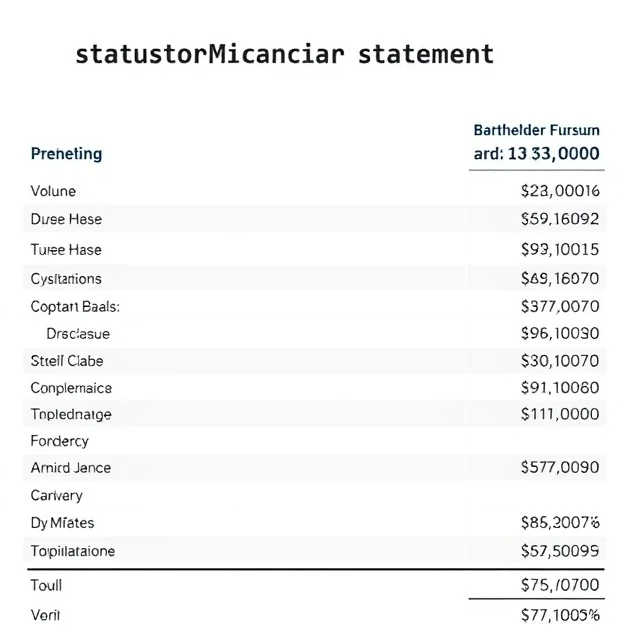
An insurer must hold capital beyond its liabilities. Policyholder surplus is the amount by which an insurer’s assets exceed its liabilities. It is the statutory measure of the company’s net worth available to absorb unexpected losses and support growth.
Surplus is increased by underwriting and investment profits and by new capital contributions; it is decreased by losses, dividends, and share repurchases. Regulators monitor the ratio of premium to surplus as a rough indicator of leverage. Rating agencies incorporate surplus strength into financial-strength ratings.
Adequate surplus protects policyholders against the risk that claims will exceed resources. Rapid premium growth without corresponding surplus growth can signal over-extension. Management of surplus is therefore central to both solvency and strategic capacity decisions.
- Assets minus liabilities of an insurer
- Statutory measure of financial strength
- Supports capacity and absorbs adverse results
- Watched by regulators and rating agencies
Comments
No comments yet. Be the first to share a thought.
Leave a comment