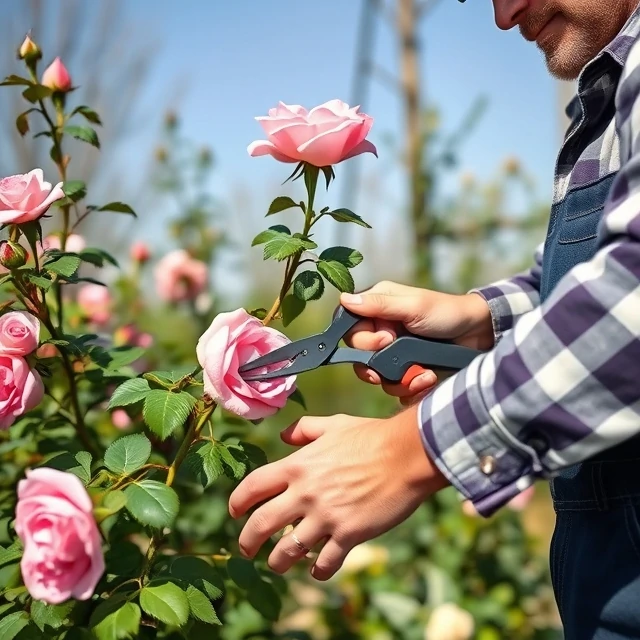
Cutting away parts of a plant can improve its health and appearance. Pruning removes dead, damaged, or overcrowded growth so that light and air reach the remaining stems. It also shapes plants, encourages flowering or fruiting, and controls size.
Timing and technique vary by species. Many spring-flowering shrubs are pruned just after bloom; summer bloomers are cut in late winter or early spring. Always cut just outside a bud or branch collar with sharp tools. Removing no more than a third of the live growth at one time prevents shock.
Good pruning looks natural rather than chopped. Step back often to assess the overall form. Crossing branches, weak crotches, and inward-growing shoots are usually removed first. The goal is a balanced plant that stays vigorous and productive for years.
- Selective removal of plant parts
- Improves health, shape, and flowering
- Timing depends on the species
- Requires sharp tools and clean cuts
Comments
No comments yet. Be the first to share a thought.
Leave a comment