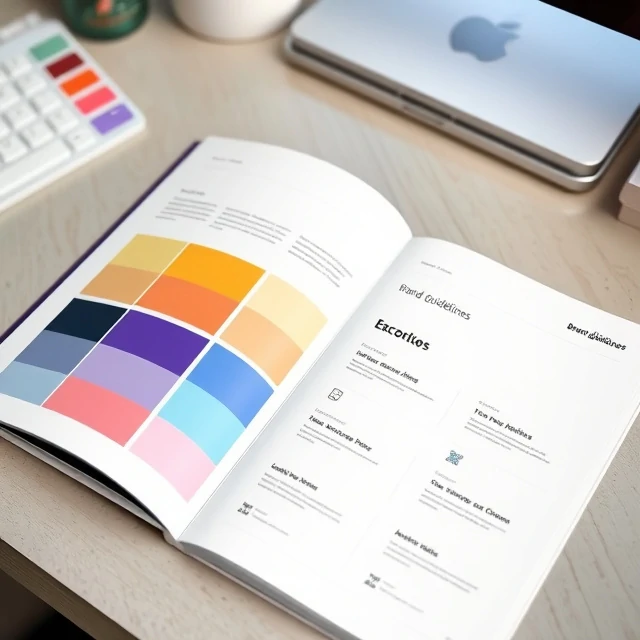
A deliverable is the final output produced by a design project. It is what the client receives and what the designer is paid for. A logo file. A website. A brand guidelines document. A packaging mockup. A set of social media templates. The deliverable is defined in the contract or brief. It should be specific. "A logo" is vague. "A primary logo, secondary mark, and favicon in vector and raster formats" is a deliverable.
Deliverables vary by project type. Print design produces press-ready files with correct bleed, crop marks, and color profiles. Digital design produces assets in the right dimensions and formats for the target platform. Branding projects produce logo suites, color palettes, typography specifications, and usage guidelines. UX design produces wireframes, prototypes, and design systems. Each deliverable has technical requirements. A file that looks right on the designer's screen may fail at the printer or on the client's website. File formats matter. Vector files scale. Raster files do not. Fonts must be outlined or embedded. Layers should be organized. The deliverable is the designer's handoff. It should be clean, documented, and easy for the client to use. A beautiful design delivered in a confusing file structure creates friction. The client cannot use what they cannot open. The deliverable is not the end of the design process. It is the beginning of the client's use of it. It should be built for that use.
Common deliverables
- Logo files — vector and raster formats
- Brand guidelines — usage rules and specifications
- Website designs — responsive layouts and assets
- Print files — press-ready with bleed and crop marks
- Design systems — components and documentation
A deliverable is a promise kept. The design is done when the client can use it.
Comments
No comments yet. Be the first to share a thought.
Leave a comment