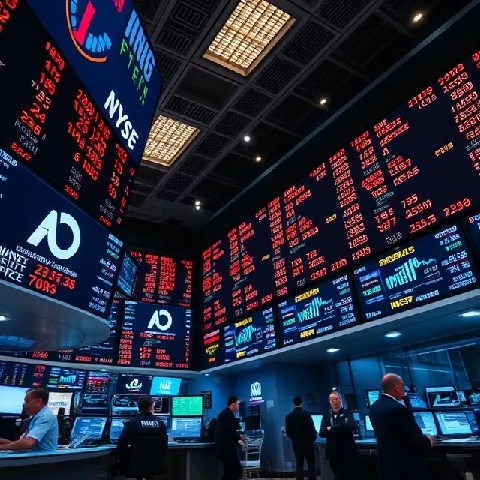
Real-time data is delivered and processed immediately as it is generated. A stock ticker updates every second. A fraud detection system evaluates a transaction while the customer waits. A ride-sharing app matches drivers and passengers in seconds. The value is in the speed. A fraud alert that arrives an hour after the transaction is useless. A traffic update that arrives after the commute is history. Real-time data enables decisions that must happen now.
The infrastructure differs from batch processing. Stream processing platforms like Kafka, Flink, and Spark Streaming handle continuous data flows. They process events as they arrive, often in milliseconds. The architecture is more complex than batch. You need message queues to buffer data, stream processors to transform it, and low-latency storage to serve it. You also need to handle late-arriving data, out-of-order events, and exactly-once processing. Those are hard problems. Real-time systems also cost more to build and operate. The question is whether the use case justifies the complexity. Fraud detection, real-time bidding, and industrial monitoring do. Monthly reports and overnight payroll runs do not. Real-time is a requirement, not a badge of honor. Use it when latency matters. Use batch when it does not.
Real-time characteristics
- Low latency — milliseconds to seconds
- Continuous — processes events as they arrive
- Stream-based — message queues and stream processors
- Complex — handles late and out-of-order data
- Expensive — more infrastructure than batch
Real-time data is about now. The value is in acting before the moment passes.
Comments
No comments yet. Be the first to share a thought.
Leave a comment