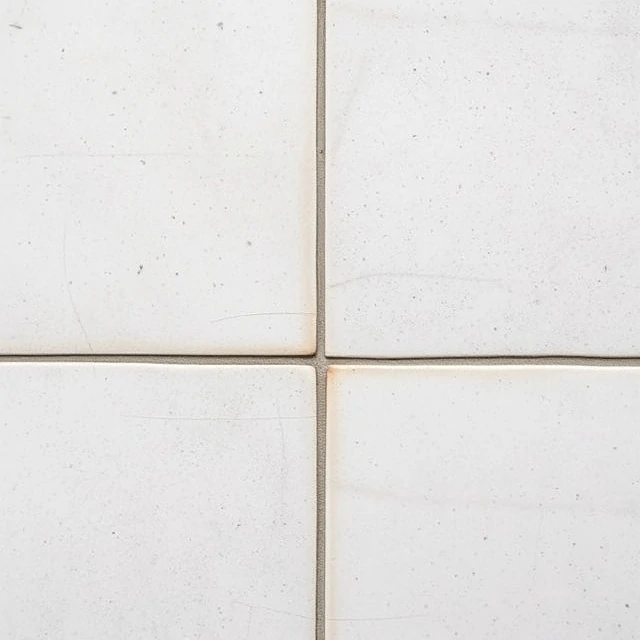
Grout is a thin mortar used to fill gaps between tiles or masonry. It is a mixture of cement, water, and sand, sometimes with pigments and additives. It is pourable or spreadable, depending on the application. It hardens to fill the joint and lock the units together. Grout is not the same as mortar. Mortar is thicker and holds the units. Grout is thinner and fills the gaps. Both are cementitious. Both are essential.
Grout comes in several types. Sanded grout contains sand and is used for joints wider than 1/8 inch. Unsanded grout is smooth and used for narrow joints. Epoxy grout is a two-part resin that is stain-resistant and waterproof, used in commercial kitchens and bathrooms. Cementitious grout is the standard for most tile work. The choice depends on the joint width, the tile type, and the exposure. Grout color can match the tile or contrast with it. It is a design decision as well as a technical one.
Grout is also used in masonry. It fills the cores of concrete blocks and bonds the reinforcement to the block. It is poured or pumped into the cavity. It must be fluid enough to fill the space but strong enough to carry load. Grout is used in machine bases, anchor bolts, and precast connections. It transfers load and locks components in place. Grout is a small part of the construction. It is often invisible. But without it, the tiles fall off and the blocks shift. It is the quiet binder of the built world.
Comments
No comments yet. Be the first to share a thought.
Leave a comment