A savings account is a deposit account that earns interest and is meant for saving, not spending. It is federally insured, liquid, and low-risk. You can open one at a bank or credit union, often with a small minimum deposit. The bank pays interest on the balance, and you can withdraw money when you need it, though some accounts limit withdrawals to six per month.
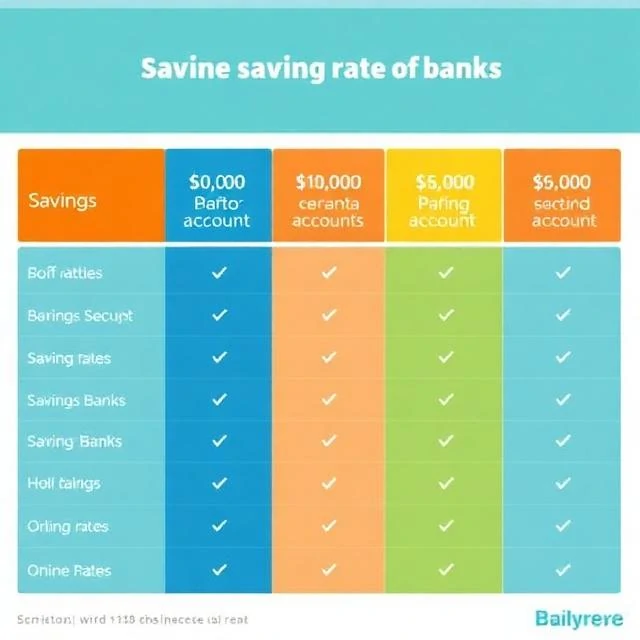
Savings account rates vary widely. The national average is around 0.5 percent, but online banks pay 4 to 5 percent. The difference is overhead. Online banks have no branches, so they pass the savings to customers. A $10,000 balance at 0.5 percent earns $50 a year. At 4.5 percent, it earns $450. That is a meaningful difference for the same product.
Savings accounts are not for long-term investing. Inflation erodes purchasing power. If inflation is 3 percent and your account pays 0.5 percent, you are losing 2.5 percent a year in real terms. Even at 4.5 percent, the real return is modest. Savings accounts are for emergencies, short-term goals, and cash you need to access quickly. Investments are for growth.
High-yield savings accounts have become popular as rates rose in 2022 and 2023. They are easy to open online, have no fees, and are insured up to $250,000. For anyone with cash sitting in a low-interest account, switching is one of the easiest financial wins available.
Comments
No comments yet. Be the first to share a thought.
Leave a comment