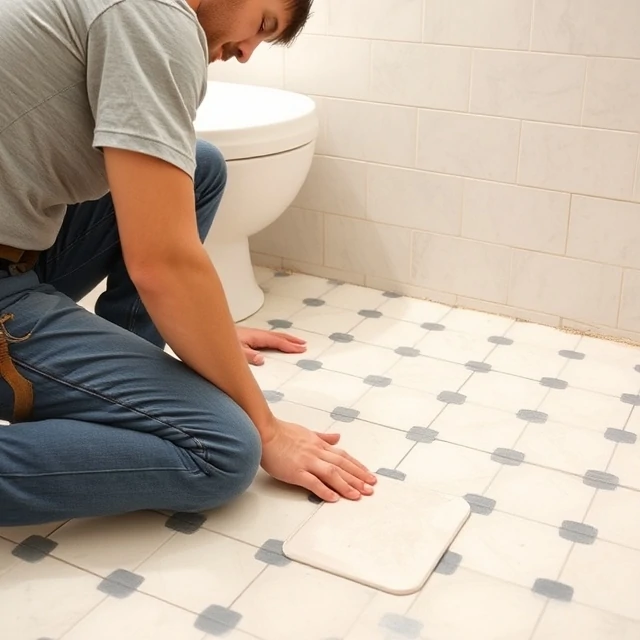
Tiling lays tiles on floors or walls for durable decorative surfaces. Tile is made of ceramic, porcelain, stone, or glass. It is hard, waterproof, and easy to clean. It is used in bathrooms, kitchens, and commercial spaces. Tiling is a skilled trade. The tiler must prepare the substrate, lay out the pattern, cut the tiles, and set them in thin-set mortar. The work is precise and permanent. A bad tile job is obvious. A good one lasts for decades.
Tiling has several steps. The substrate must be flat, dry, and clean. A cement backer board is often used in wet areas. The layout must be planned so that the cuts are balanced and the grout lines are straight. The thin-set is spread with a notched trowel. The tiles are pressed into the thin-set with a slight twist. Spacers maintain the joint width. The tiles are cut with a wet saw or a snap cutter. After the thin-set cures, the grout is applied. The grout fills the joints and locks the tiles together. The grout is tooled and cleaned. The surface is polished.
Tiling is used for floors, walls, backsplashes, and countertops. It is also used for exterior cladding and pools. The tile can be glazed or unglazed, matte or polished, large or small. The pattern can be simple or complex. The grout can match or contrast. The choice is endless. The tiler must know the materials and the methods. The tile is the finish. The tiler is the craftsman. The result is a surface that is beautiful and durable. It is also a surface that must be installed right. A tile that is not bonded will pop. A grout that is not sealed will stain. The tile is only as good as the installation.
Comments
No comments yet. Be the first to share a thought.
Leave a comment