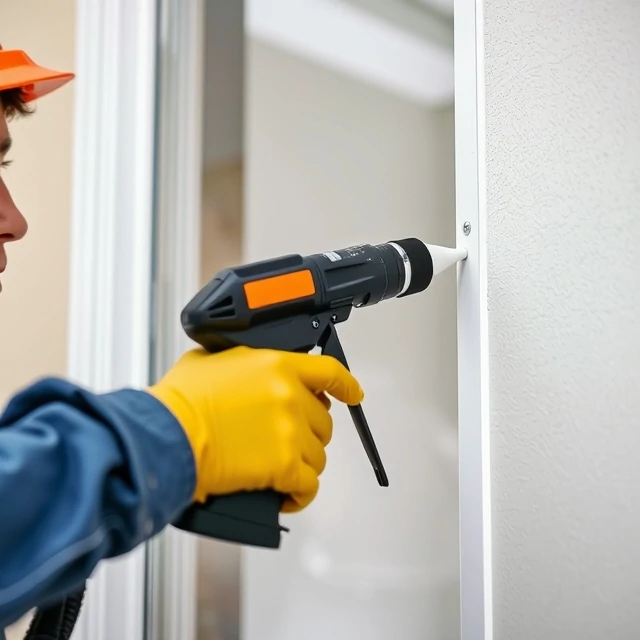
Sealant fills gaps to prevent air or water passage. It is a flexible material that adheres to the surfaces and cures to form a seal. It is used around windows, doors, pipes, and joints. It is different from caulk, though the terms are often used interchangeably. Sealant is usually silicone, polyurethane, or butyl and is more durable and flexible. In the kitchen, the closest equivalent is the lid on a container. It seals the container. It keeps the food fresh. It keeps the air out. It is not a sealant. But it is a seal. It is the sealant of the kitchen. It is the sealant of the cook.
Sealants come in several chemistries. Silicone sealant is flexible, waterproof, and long-lasting. It is used in bathrooms, kitchens, and exteriors. Polyurethane sealant is strong and abrasion-resistant. It is used in concrete joints and automotive applications. Butyl sealant is sticky and permanent. It is used in roofing and gutters. In the kitchen, the lid is a simple seal. It is a cover. It is a gasket. It is the sealant of the kitchen. It is the sealant of the same.
Sealant application requires preparation. The joint must be clean, dry, and free of old sealant. A backer rod may be inserted to control the depth. The sealant is applied with a gun and tooled to a smooth bead. In the kitchen, the lid must be clean. It must be dry. It must be the right size. It must be sealed. The sealant is the barrier. The lid is the barrier. Both are the same. The same is the kitchen. The kitchen is the sealant. The sealant is the cook. The cook is the sealant. The sealant is the same. The same is the meal. The meal is the sealant. The sealant is the same.
Comments
No comments yet. Be the first to share a thought.
Leave a comment