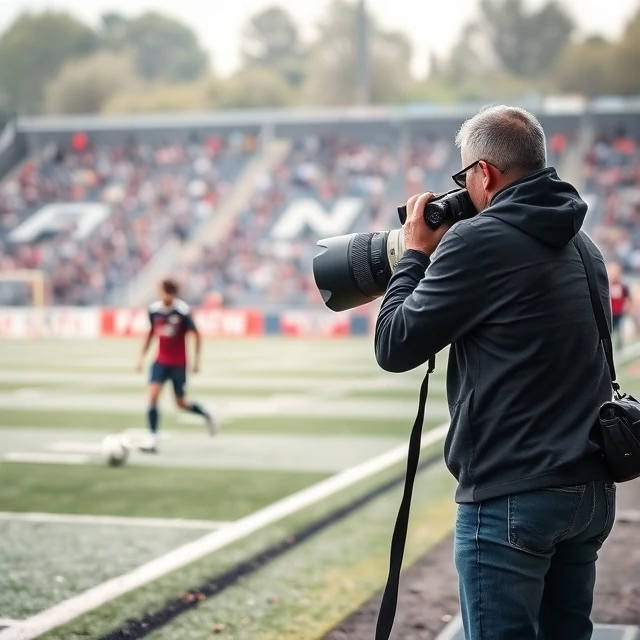
Sports photography captures athletic events and action. It is fast, demanding, and often competitive. The photographer must anticipate the action, track moving subjects, and capture the peak moment. A sprinter crossing the finish line, a goalkeeper diving for the ball, a gymnast mid-flip. The margin between a good shot and a great one is often milliseconds. Sports photographers use long telephoto lenses, fast burst modes, and continuous autofocus. They position themselves where the action is likely to happen. They know the sport. They know the athletes. They know the light.
Sports photography is not just about action. It is also about emotion. The joy of victory, the agony of defeat, the concentration before the start. A good sports photographer captures both. The technical demands are high. Shutter speeds of 1/1000 or faster are common. High ISO is often necessary for indoor events. A fast memory card and a camera with a deep buffer matter. But equipment is not enough. The best sports photographers have an instinct for the moment. They see it before it happens. They press the shutter at the right time. That instinct comes from experience, from watching thousands of games and learning the rhythms of sport.
Sports photography tips
- Anticipate. Know the sport and predict the action.
- Use continuous autofocus. Track moving subjects.
- Shoot bursts. Capture a sequence and pick the best frame.
- Use a fast shutter speed. Freeze the action.
- Get the emotion. Capture reactions, not just action.
Sports photography is not just about the athlete. It is about the story. The score, the rivalry, the moment. A great sports photograph tells that story in a single frame.
Comments
No comments yet. Be the first to share a thought.
Leave a comment