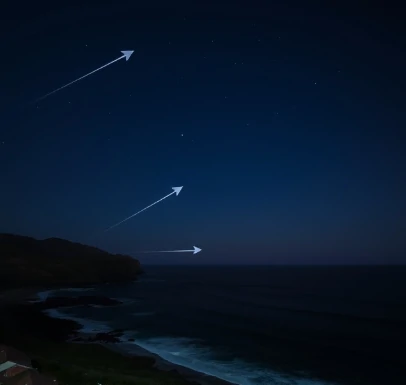
At night, land cools faster than the adjacent ocean. The cooler, denser air over land begins to flow toward the water, creating a land breeze. The breeze is usually lighter than the daytime sea breeze and often remains shallow.
The circulation is completed by a return flow aloft from sea toward land. Land breezes are most noticeable in clear, calm conditions when the temperature contrast is strongest. They can carry pollutants or smoke offshore and sometimes trigger showers over the warmer water.
Coastal residents and mariners recognize the evening shift from onshore to offshore flow. The strength and timing vary with the season and local geography. In tropical regions the land breeze can interact with larger-scale winds to influence overnight convection.
- Nighttime wind from land to sea
- Driven by land cooling faster than water
- Usually lighter than sea breeze
- Affects coastal weather and air quality
Comments (4)
Leave a comment