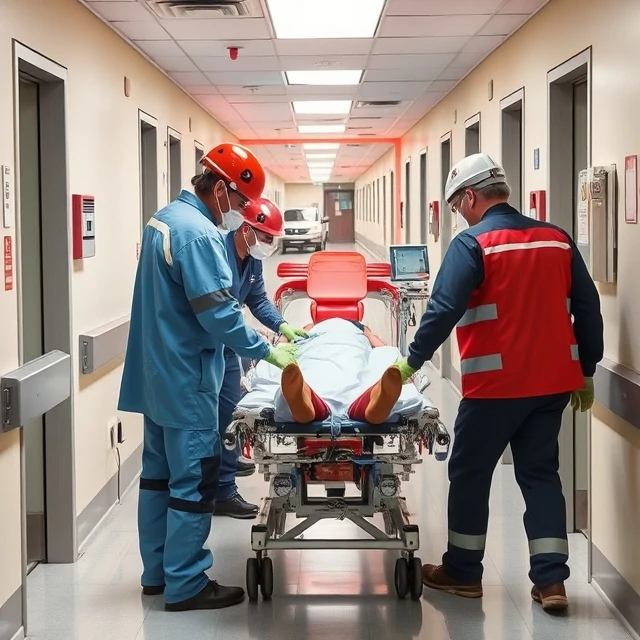
When the heart stops, minutes decide survival. CPR, or cardiopulmonary resuscitation, is an emergency procedure that combines chest compressions and rescue breaths or ventilation to maintain circulation and oxygenation until advanced help restores a spontaneous heartbeat.
High-quality compressions at the correct rate and depth, with minimal interruptions, form the core of modern CPR. Automated external defibrillators can restart certain rhythms and are increasingly available in public places. Bystander CPR doubles or triples survival odds for out-of-hospital cardiac arrest.
Training courses teach recognition of arrest, activation of emergency services, and correct technique. Healthcare providers follow more advanced algorithms that include drugs and airway devices. Immediate action remains the decisive factor; hesitation costs lives.
- Emergency technique to maintain circulation and breathing
- Centers on high-quality chest compressions
- Often combined with defibrillation
- Bystander action markedly improves survival
Comments
No comments yet. Be the first to share a thought.
Leave a comment