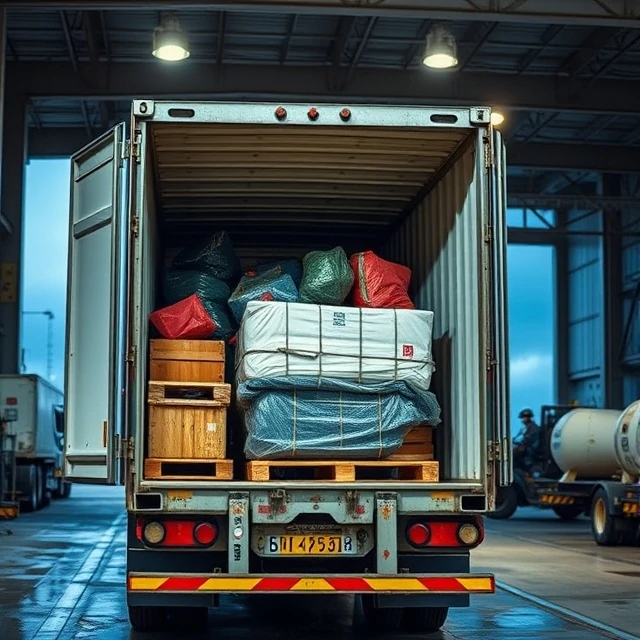
Commerce depends on moving goods in quantity. Freight refers to goods transported in bulk or in commercial consignments by truck, train, ship, or aircraft, and also to the charge levied for that transport.
In operational use the word points to the cargo itself; in commercial use it often means the price of carriage. Freight markets fluctuate with capacity, fuel costs, and seasonal demand. Classification systems group freight by density, stowability, handling, and liability to determine rates.
Shippers compare freight cost against inventory and service trade-offs when choosing modes and carriers. Accurate freight forecasting helps both carriers and customers plan capacity. Whether measured in tons, containers, or revenue, freight remains the core commodity of the logistics industry.
- Goods moved commercially by any transport mode
- Also denotes the charge for that movement
- Classified for rating by density and handling traits
- Central unit of logistics markets and contracts
Comments
No comments yet. Be the first to share a thought.
Leave a comment