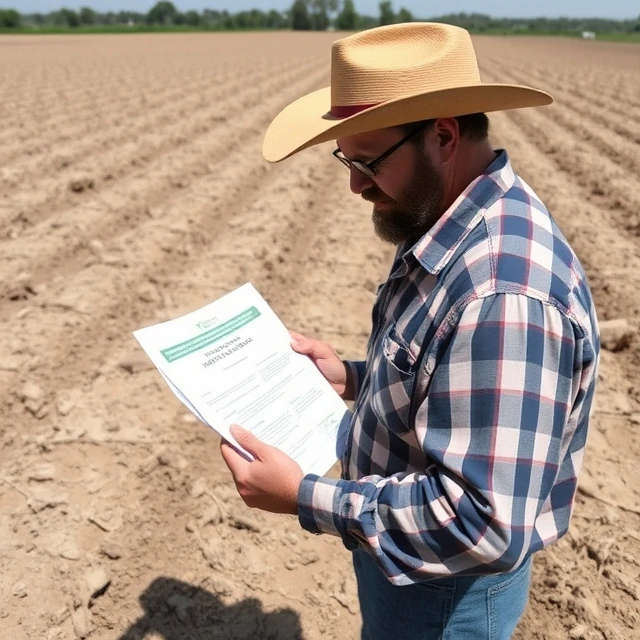
Weather and pests can wipe out a year’s work in the field. Crop insurance protects farmers against financial loss from yield shortfalls or price declines caused by natural perils such as drought, flood, hail, or disease. Coverage is often subsidized and reinsured by government programs.
Policies may guarantee a percentage of expected yield, a revenue amount that combines yield and price, or specific named perils. Premiums reflect the crop, location, coverage level, and the farmer’s historical production. Claims are adjusted on the basis of actual harvested production or appraisals of damaged fields.
Widespread adoption of crop insurance has stabilized farm incomes and lenders’ collateral values. It also influences planting decisions and risk-management practices. Program design continually balances adequate protection, actuarial soundness, and budgetary cost to the public sector.
- Coverage for agricultural yield or revenue loss
- Protects against natural perils and price drops
- Often government-supported
- Based on production history and coverage elections
Comments
No comments yet. Be the first to share a thought.
Leave a comment