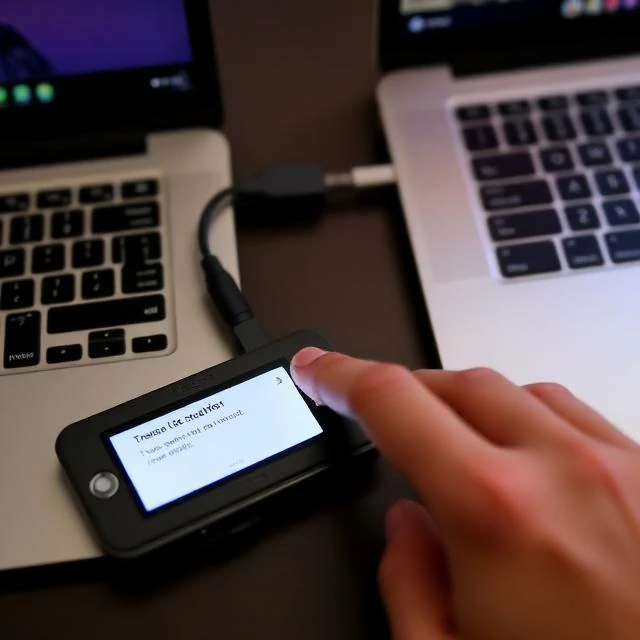
A hardware wallet keeps your private keys offline on a dedicated device. It looks like a small USB drive with a screen and buttons. When you want to send crypto, you plug it in, confirm the transaction on the device screen, and the wallet signs it. The private key never leaves the device. Malware on your computer cannot steal what it cannot access. Ledger and Trezor are the major manufacturers. Prices range from $50 to $200.
The setup involves generating a seed phrase, usually 12 or 24 words, which can restore your keys if the device is lost or destroyed. That seed phrase is the real backup. The hardware wallet is just a convenient way to use the keys without exposing them. Write the seed phrase on paper or stamp it into metal. Never photograph it. Never type it into a computer. Anyone with the seed phrase has complete control over your funds. A hardware wallet is not necessary if you hold small amounts. It is essential if you hold more than you can afford to lose.
Hardware wallet essentials
- Keys stored offline — never touch the internet
- Seed phrase backup — the real recovery method
- PIN protection — secures the device itself
- Transaction confirmation — you approve every send on the device
Buy directly from the manufacturer. A tampered device from a third-party seller can steal your funds.
Comments
No comments yet. Be the first to share a thought.
Leave a comment