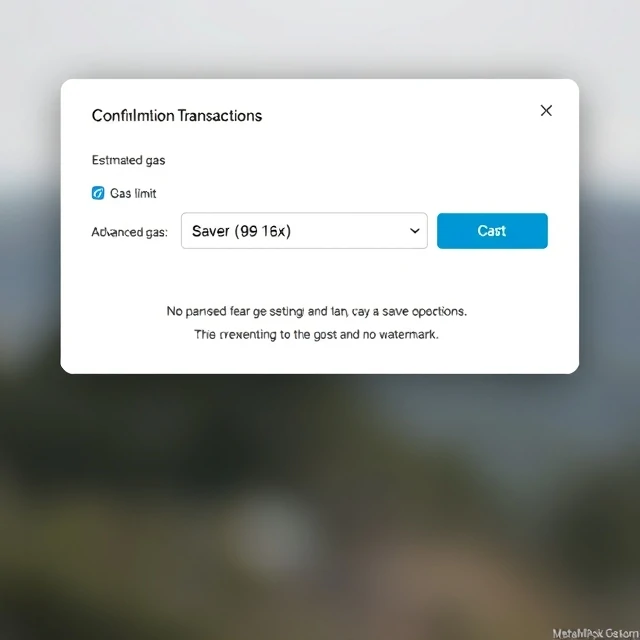
Gas limit is the maximum amount of gas you are willing to spend on a transaction. If the transaction uses less, you get a refund for the unused portion. If it tries to use more, the transaction fails and you lose the gas already consumed. Setting the limit too low means your transaction runs out of gas and reverts. Setting it too high does not cost extra as long as the transaction completes. The wallet usually estimates the right limit automatically. Manual adjustment is for edge cases or advanced users who want to cap their exposure.
There is also a block gas limit. That is the maximum gas all transactions in a single block can consume. Ethereum's block gas limit is around 30 million. Miners and validators pack blocks up to that limit, prioritizing transactions with higher fees. The block gas limit determines how many transactions fit in a block. Raising it increases throughput but also increases the hardware requirements for running a node. The gas limit is a parameter that shapes both user experience and network decentralization.
Gas limit essentials
- Transaction gas limit — max gas you will spend
- Block gas limit — max gas per block, around 30 million on Ethereum
- Out of gas — transaction fails and consumed gas is lost
- Refund — unused gas returned to sender
Most users never touch the gas limit. Wallets handle it. When a transaction fails for out-of-gas, the wallet usually underestimated complexity.
Comments
No comments yet. Be the first to share a thought.
Leave a comment