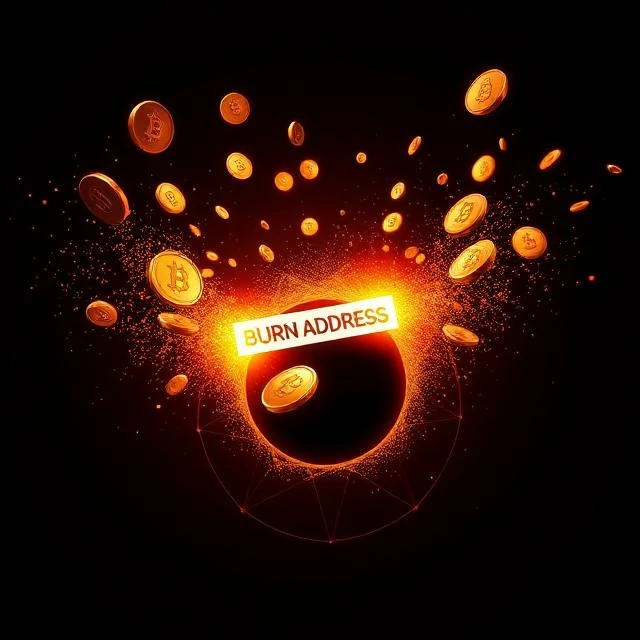
Burning removes tokens from circulation forever. The process is simple: send tokens to a wallet address that nobody controls. The address exists on the blockchain, visible to everyone, but it has no private key. Nobody can move the tokens out. They still exist as data, but they are dead. The supply shrinks.
Projects burn for different reasons. Exchanges buy back their native token with trading revenue and destroy it, which reduces supply and may support the price. Ethereum burns a portion of every transaction fee through EIP-1559, so network usage creates deflationary pressure. Algorithmic stablecoins burn and mint tokens to hold their peg. Proof-of-burn blockchains use burned coins as a way to earn mining rights. A burn is verifiable by anyone with a block explorer. Look up the burn address and see the balance. It only goes up.
Common burn mechanisms
- Buyback and burn — project uses revenue to buy tokens and destroy them
- Fee burning — a portion of transaction fees is burned automatically
- Proof of burn — participants burn coins to earn validation rights
Burning does not create value by itself. It reduces supply. Whether that matters depends on demand.
Comments
No comments yet. Be the first to share a thought.
Leave a comment