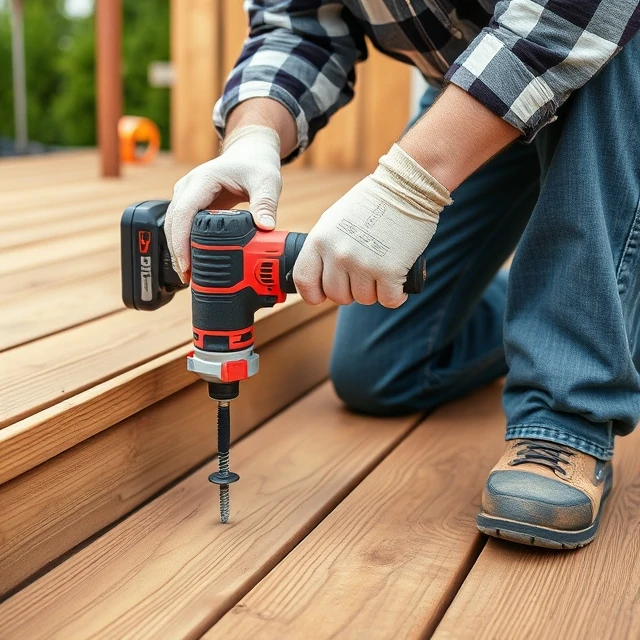
Screwing fastens materials using threaded screws for a strong hold. A screw has a helical thread that bites into the material. It is driven with a screwdriver or a power driver. The threads pull the screw into the material and resist being pulled out. A screw holds better than a nail. It is also easier to remove. In the kitchen, the closest equivalent is the twist tie. It holds a bag closed. It twists. It secures. It is not a screw. But it is a fastener. It is the screw of the kitchen. It is the screw of the cook.
Screws come in several types. A wood screw has a sharp point and coarse threads. A machine screw has a blunt point and fine threads, used with a nut. A sheet metal screw has a sharp point and fine threads. A drywall screw has a bugle head. A deck screw has a coating that resists corrosion. In the kitchen, the twist tie is a simple fastener. It is a wire. It is a tie. It is used to close a bag. It is used to secure a cord. It is the screw of the kitchen. It is the screw of the same.
Screwing technique matters. The screw must be driven straight and to the correct depth. A pilot hole may be needed to prevent splitting. The screw must not be overdriven. The screw must not be underdriven. In the kitchen, the twist tie must be twisted tightly. It must be secure. It must be removed before use. The screw is the fastener. The twist tie is the fastener. Both are the same. The same is the kitchen. The kitchen is the screwing. The screwing is the cook. The cook is the screwing. The screwing is the same. The same is the meal. The meal is the screwing. The screwing is the same.
Comments
No comments yet. Be the first to share a thought.
Leave a comment