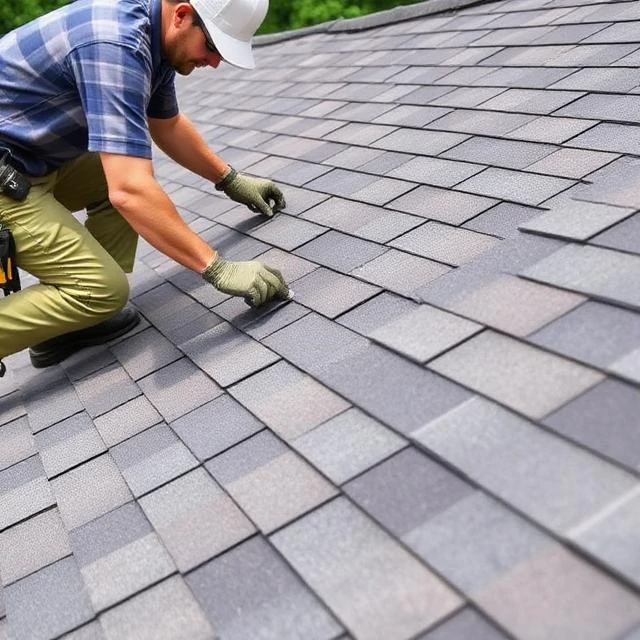
Shingles are overlapping roof tiles that shed water and protect the structure. They are the most common roof covering in North America. Asphalt shingles are made of a fiberglass mat coated with asphalt and mineral granules. They are cheap, easy to install, and available in many colors. They last 15 to 30 years. Other shingles include wood shakes, slate, and synthetic composites. Each has its own look, cost, and lifespan. The shingle is the visible surface of the roof. It is the first thing that rain hits.
Shingles are installed in overlapping courses, starting at the bottom edge and working up. Each course overlaps the one below it. The overlap sheds water. The shingles are fastened with roofing nails or staples. The nails must be driven straight and flush. The shingles must be aligned and spaced correctly. The roof must have underlayment beneath the shingles. The underlayment is a water-resistant barrier. The shingles are the primary covering. The underlayment is the backup. Both are necessary.
Shingle roofs require maintenance. Wind can lift and tear shingles. Hail can bruise and crack them. Sun can dry and curl them. Moss can grow on them in damp climates. A damaged shingle must be replaced. A missing shingle exposes the underlayment. A leaking shingle can rot the roof deck. The shingle is a small unit. It is part of a system. The system protects the building. The shingle is the soldier on the front line. It takes the beating. It sheds the water. It keeps the building dry.
Comments
No comments yet. Be the first to share a thought.
Leave a comment