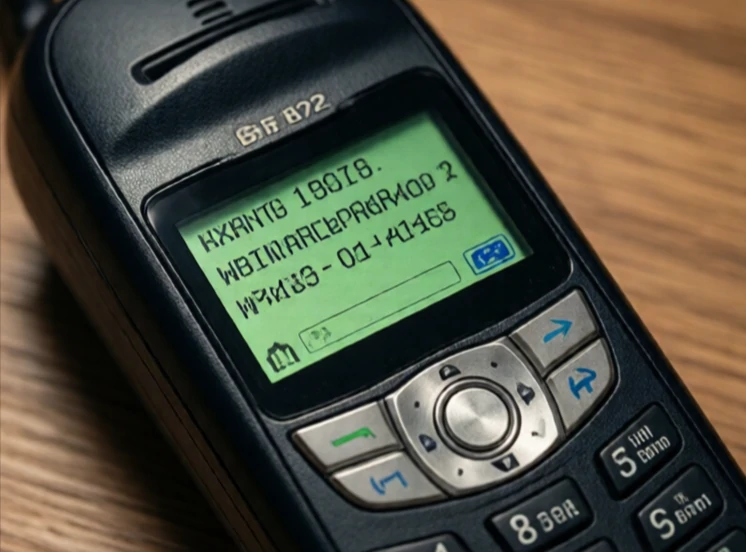
Multimedia Messaging Service sends images, video, and audio via mobile. It is the successor to SMS. SMS sends text only. MMS sends media. You use it when you text a photo. The first MMS was sent in 2002. It never became as universal as SMS. Carriers charged per message. Interoperability was poor.
MMS works over the cellular data network. It uses a store-and-forward model. The message goes to an MMSC, which stores it and sends it to the recipient. The recipient gets a notification and downloads the content. It is slower than SMS and less reliable.
MMS characteristics
- Media: images, video, audio
- Size limits: typically 300 KB to 1 MB
- Store-and-forward: routed through MMSC
- Data-based: uses cellular data
- Declining: replaced by messaging apps
MMS is being replaced by apps like WhatsApp, iMessage, and Telegram. They send media over the internet, not the carrier network. They are faster, cheaper, and more feature-rich. MMS still exists for interoperability. But most people use apps. The carrier messaging service is fading.
Comments
No comments yet. Be the first to share a thought.
Leave a comment