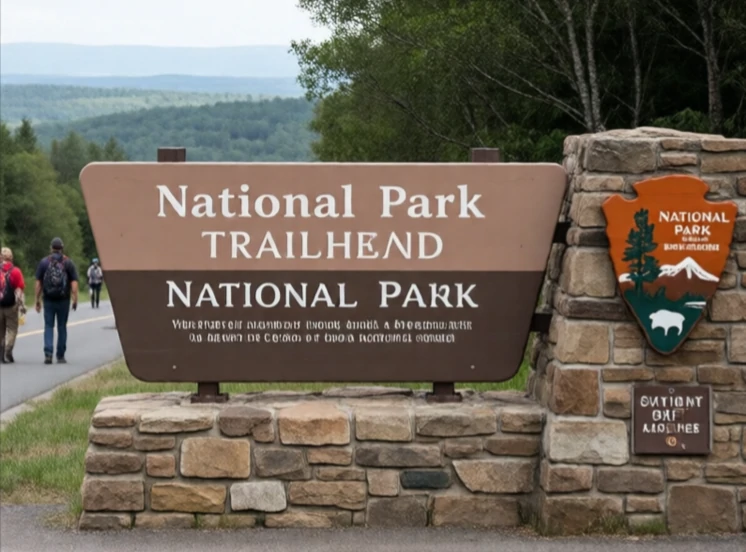
A large area of land is set aside by government to protect outstanding natural features and to provide public access for recreation and education. That area is a national park. Conservation and visitor enjoyment are intended to coexist.
National parks preserve landscapes, ecosystems, and sometimes cultural heritage. Infrastructure such as trails, visitor centers, and campsites supports tourism while rules limit damaging activities. Entrance fees and permits often fund management. Popular parks face pressure from overcrowding and must manage trails, wildlife disturbance, and waste.
Travelers visit for scenery, hiking, wildlife, and the sense of being in a protected place. Seasonal conditions and altitude affect accessibility and safety. Respecting park regulations helps keep these places intact for future visitors. A day in a national park can reset the pace of an entire trip.
- Protected area for conservation and public enjoyment
- Managed by government authorities
- Offers trails, viewpoints, and interpretive services
- Requires visitor responsibility to minimize impact
Comments
No comments yet. Be the first to share a thought.
Leave a comment