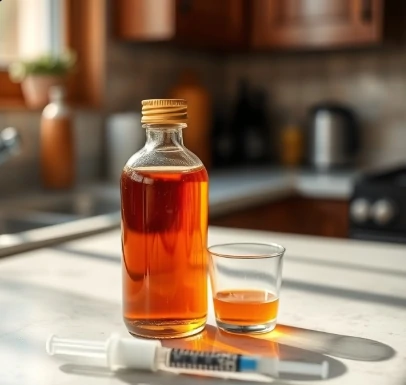
A syrup is a liquid dosage form in which drug is dissolved in a concentrated sugar solution. The sugar does more than sweeten. It acts as a preservative, inhibits microbial growth, and improves mouthfeel. Syrups are easy to swallow, which makes them useful for children, the elderly, and anyone who has trouble with pills. They also allow flexible dosing, since the liquid can be measured in milliliters.
Not every liquid medication is a syrup. Suspensions contain undissolved drug particles that must be shaken before use. Elixirs use alcohol instead of sugar. Solutions are clear liquids with dissolved drug. Each has its own properties and stability profile. Syrups are often flavored with fruit or bubblegum to mask bitter drugs. They are measured with a dosing cup or oral syringe, not a kitchen spoon, which varies in size. Some syrups require refrigeration after opening; others are stable at room temperature.
Key points:
- Shake if suspended. Suspensions settle, and shaking ensures an even dose.
- Measure accurately. Use the dosing device that comes with the product.
- Check storage. Some syrups need refrigeration.
- Watch sugar content. Syrups can be a concern for patients with diabetes.
Sugar-free versions are available for many common syrups, using sorbitol or other sweeteners instead.
Comments (2)
Leave a comment