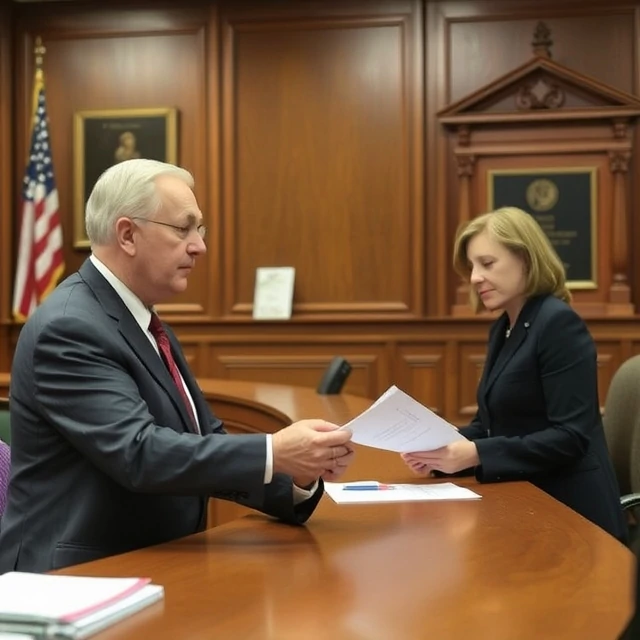
A will does not execute itself. Probate is the court-supervised process of proving a will’s validity, appointing a personal representative, paying the decedent’s debts, and distributing remaining assets to the proper recipients.
If there is no will, intestacy statutes direct distribution through a similar administration proceeding. Notice to heirs and creditors protects interested parties. Inventories, accountings, and court approvals provide transparency, especially when disputes arise.
Many assets avoid probate through joint ownership, beneficiary designations, or trusts. When probate is required, timelines and fees vary by jurisdiction and estate complexity. Efficient probate settles the decedent’s affairs and transfers clear title to successors.
- Court process for validating wills and administering estates
- Includes debt payment and asset distribution
- Applies with or without a will via intestacy rules
- Can be minimized through non-probate transfers
Comments
No comments yet. Be the first to share a thought.
Leave a comment