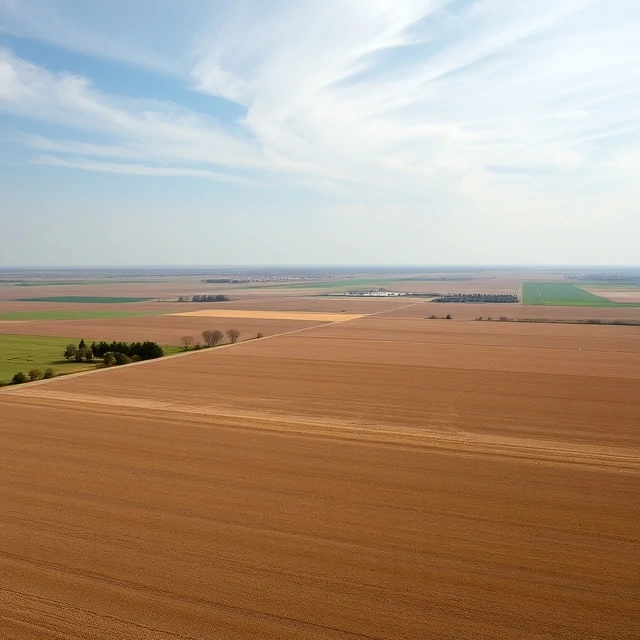
Flat land stretches to the horizon with scarcely a hill in sight. A plain is an extensive area of low relief, usually at low elevation. Plains may be formed by river deposition, glacial outwash, or the erosion of former highlands.
Fertile soils and ease of transport have made many plains centers of agriculture and dense settlement. The North European Plain and the Great Plains of North America are classic examples. Grasslands or open woodland often cover them in a natural state.
Flood risk can be significant on river plains. Wind erosion becomes a problem when vegetation is removed. Despite their visual simplicity, plains are dynamic environments shaped by sediment supply and climate. Their openness has also favored the movement of armies and ideas throughout history.
- Large area of flat or gently rolling land
- Low relief and usually low elevation
- Often fertile and agriculturally productive
- Formed by deposition or erosion
Comments
No comments yet. Be the first to share a thought.
Leave a comment