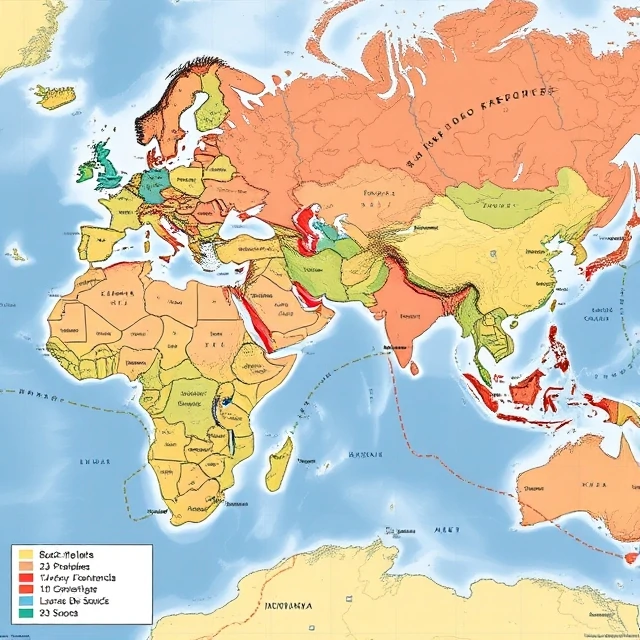
Mountains, rivers, and coastlines have always shaped power. Geopolitics examines how geographic features influence the political behavior of states and the relations between them. Control of strategic straits, resource deposits, or buffer zones has driven alliances and conflicts for centuries.
Classical geopoliticians emphasized heartlands and rimlands; contemporary analysis also considers technology, trade routes, and climate change. Access to rare minerals, Arctic shipping lanes, and digital infrastructure now figures in geopolitical calculations alongside traditional concerns about territory.
Policymakers and military planners study geopolitics to anticipate flashpoints and opportunities. The field sits at the intersection of geography, history, and international relations. Physical geography does not determine politics, yet it continually constrains and enables the choices states make.
- Study of geography’s influence on politics
- Considers resources, location, and strategic space
- Informs foreign policy and security analysis
- Evolves with technology and global change
Comments
No comments yet. Be the first to share a thought.
Leave a comment