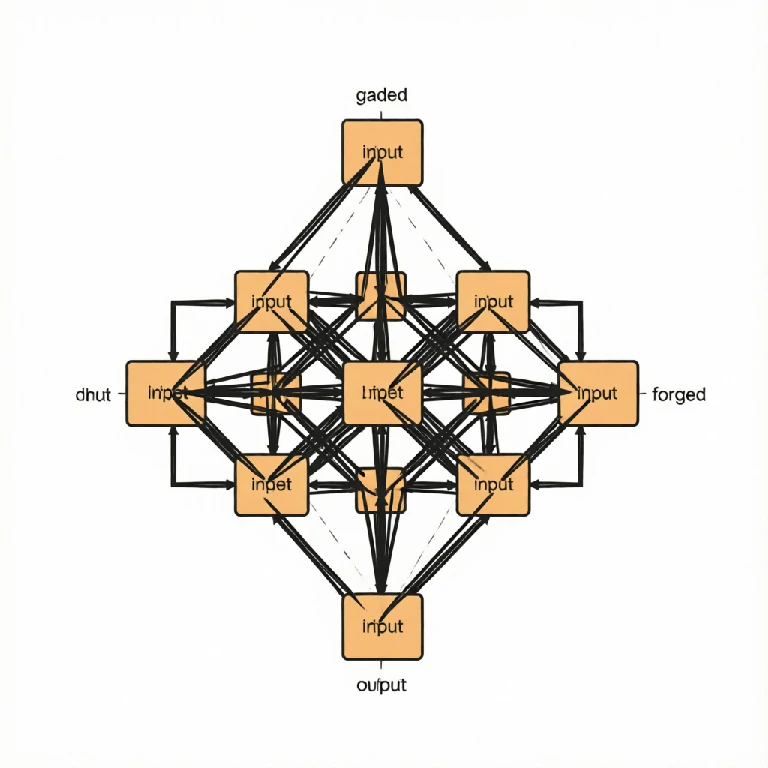
Some models learn to generate. Others learn to decide. Discriminative models focus on the boundary between classes, estimating the probability of a label given the input rather than modelling how the data itself was produced.
Logistic regression, support vector machines, and most neural classifiers are discriminative. They tend to outperform generative models on classification tasks because they dedicate capacity to the decision boundary instead of the full data distribution.
Common discriminative models
- Logistic regression
- Support vector machines
- Conditional random fields
- Most deep classifiers
The trade-off is flexibility. A discriminative model cannot generate new samples or handle missing data as gracefully as a generative counterpart. Choosing between them depends on whether the task is prediction or synthesis.
Comments (2)
Leave a comment