An insect that helps crops by pollinating or eating pests.
🐝
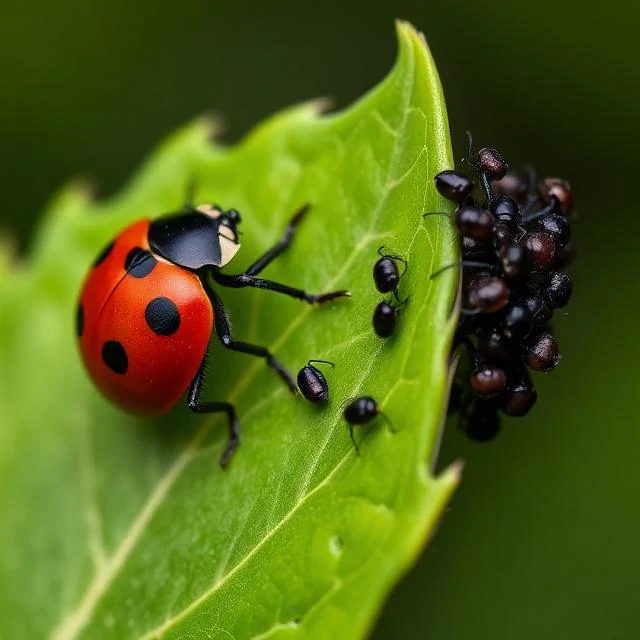
A beneficial insect is any insect that provides a service useful to agriculture, most commonly pollination or pest control. Pollinators such as honey bees, bumblebees, solitary bees, butterflies, and hoverflies transfer pollen between flowers, enabling fruit and seed set in crops including apples, almonds, cucumbers, and oilseed rape. Predatory and parasitic insects—such as ladybirds, lacewings, hoverfly larvae, ground beetles, spiders, and parasitic wasps—feed on or parasitise pest species like aphids, caterpillars, and whiteflies. Some insects also aid decomposition and soil health, such as dung beetles and springtails. Conservation biological control encourages beneficial insects by providing floral resources, hedgerows, beetle banks, and reduced pesticide use. Farmers may purchase and release commercially reared predators, a practice known as augmentative biocontrol. Understanding insect life cycles and habitat needs is central to integrated pest management and pollinator stewardship, both of which support sustainable crop production.
Comments (2)
Terry Wells
Ladybugs, lacewings, and praying mantises are all beneficial insects. They eat pests that damage crops.
Jasmine K.
Planting flowers near your vegetable garden attracts beneficial insects. It's a natural form of pest control.
Comments (2)
Leave a comment