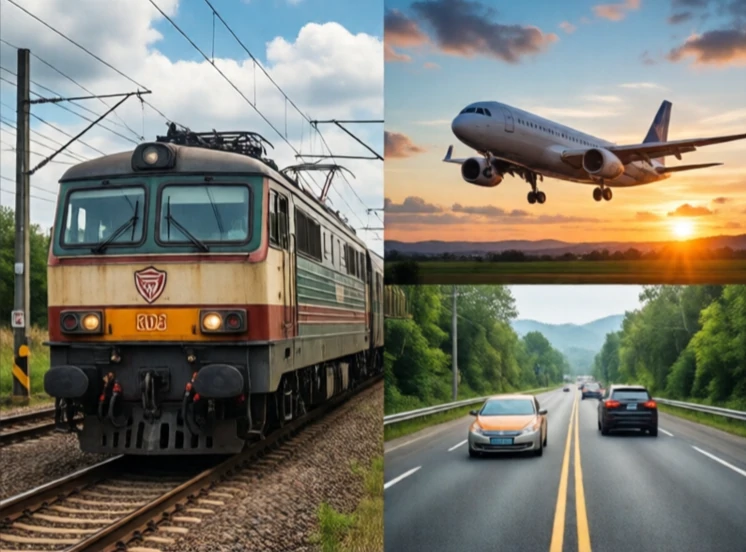
People move between distant places for work, leisure, family, or necessity, crossing space that cannot be covered in ordinary daily routines. That movement is travel. It encompasses the planning, the journey, and the stay.
Travel can be local or intercontinental, brief or extended, solitary or in groups. Infrastructure—roads, airports, railways, lodging—makes modern travel possible at scale. Motivation shapes everything from packing lists to choice of destination. Barriers include cost, time, health, documentation, and sometimes political restriction.
Travel broadens experience for many individuals and drives major economic sectors. It also generates carbon emissions, cultural pressures, and infrastructure demands. How people travel—and how often—has become a subject of personal and policy debate. Yet the underlying impulse to go elsewhere remains deeply rooted.
- Movement of people between distant places
- Undertaken for many purposes including leisure and work
- Supported by transport and lodging systems
- Carries both personal benefits and wider impacts
Comments
No comments yet. Be the first to share a thought.
Leave a comment