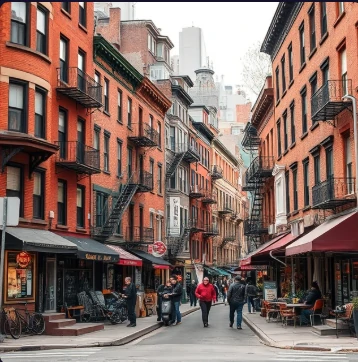
Urban sociology is the study of social life in cities. It examines how urban environments shape behavior, inequality, community, and culture. It emerged in the early 20th century at the University of Chicago, where researchers mapped the city like an ecosystem.
The Chicago School studied zones of transition, slums, and ethnic enclaves. They saw the city as a mosaic of competing groups. Later urban sociologists studied suburbanization, gentrification, and global cities. Today, the field addresses climate change, housing crises, and digital urbanism.
Key topics
- Urbanization and population density
- Neighborhood segregation and inequality
- Gentrification and displacement
- Community and social networks
- Urban planning and policy
Cities are engines of innovation and inequality. They concentrate wealth and poverty, opportunity and hazard. Urban sociology asks who gets to live where, who decides, and what makes a city livable for everyone.
Comments
No comments yet. Be the first to share a thought.
Leave a comment