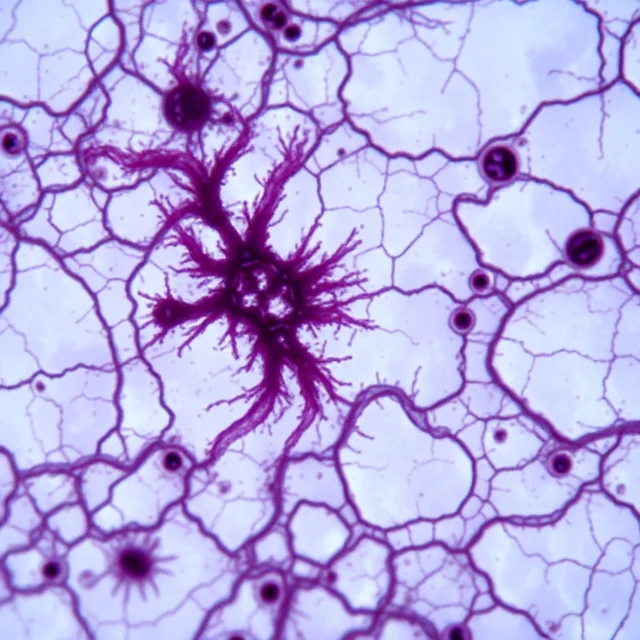
Not all pathogens are bacteria or viruses. A fungus is a eukaryotic microorganism, including yeasts and molds, that can cause infection in humans, especially when barriers are breached or immunity is impaired.
Superficial fungal infections of skin, nails, and mucous membranes are common and usually mild. Deep or systemic fungal infections occur mainly in immunocompromised patients and can be life-threatening. Diagnosis may require microscopy, culture, antigen tests, or biopsy. Antifungal drugs target unique components of fungal cell membranes or walls.
Environmental exposure and hospital construction dust have been linked to outbreaks of invasive mold disease. Stewardship of antifungals matters because resistance is emerging and treatment courses are often long. Distinguishing colonization from true infection avoids unnecessary therapy.
- Eukaryotic microorganism capable of causing human infection
- Includes yeasts and molds
- Causes superficial and, in vulnerable hosts, systemic disease
- Treated with targeted antifungal agents
Comments (2)
Leave a comment