Trade policy often shows up as a line item on an import entry. A tariff is a tax imposed on imported goods, typically to raise revenue or to protect domestic industries from foreign competition.
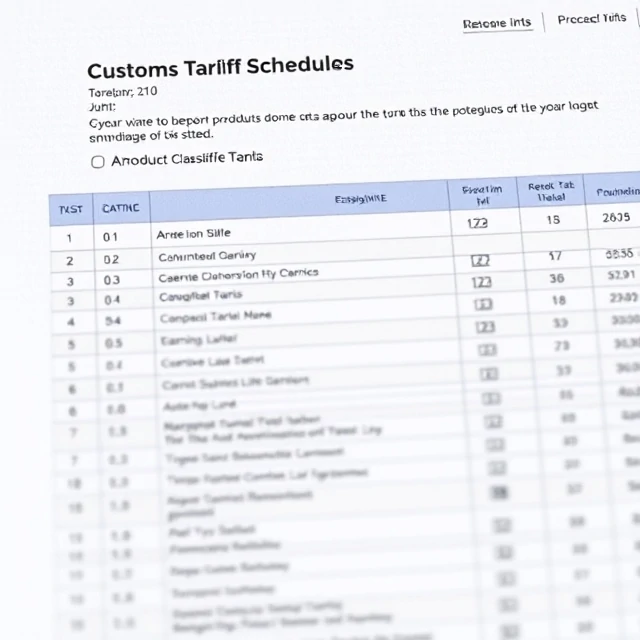
Rates are published in national tariff schedules and vary by product classification and sometimes by country of origin. Preferential tariffs under trade agreements can lower or eliminate the duty for qualifying goods. Importers must classify products correctly to apply the right rate.
Tariff changes alter sourcing economics and can trigger supply-chain redesign. Classification disputes and valuation challenges are common sources of customs conflict. Logistics and trade-compliance teams monitor tariff developments as closely as freight rates.
- Tax on imported goods
- Set by product classification and origin
- May be reduced under trade agreements
- Influences sourcing and landed-cost decisions
Comments
No comments yet. Be the first to share a thought.
Leave a comment