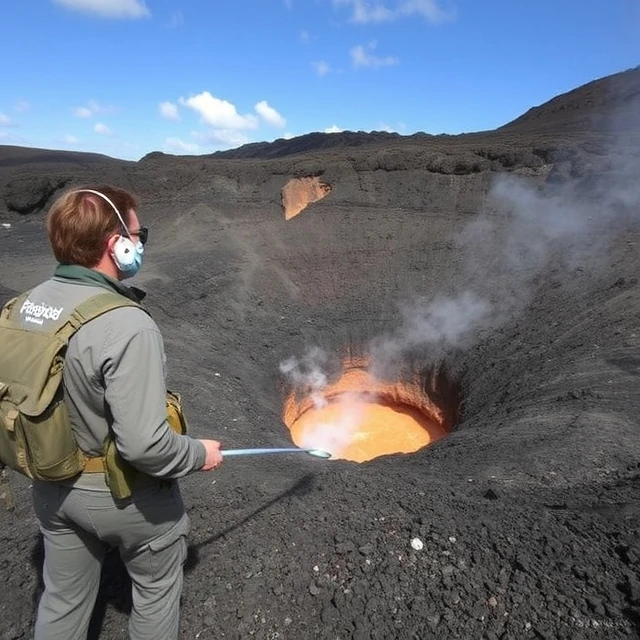
The study of volcanoes and their activity is called volcanology. It combines field observation, geophysics, geochemistry, and physical modeling to understand how magma is generated, stored, and erupted, and how eruptions affect the surrounding environment and atmosphere.
Volcanologists map deposits, monitor active volcanoes, analyze gases and rocks, and reconstruct past eruptions from the geologic record. Experimental and numerical models test ideas about conduit processes and eruption dynamics. The goal is both scientific understanding and practical hazard reduction.
Advances in remote sensing, continuous monitoring networks, and computational power have improved eruption forecasting. Collaboration with civil authorities translates scientific assessments into warnings and evacuations. Volcanology remains a field where fundamental research and public safety are closely linked.
- Scientific study of volcanoes and eruptions
- Uses field, geophysical, and geochemical methods
- Aims to understand processes and reduce hazard
- Supports monitoring and early warning systems
Comments (3)
Leave a comment