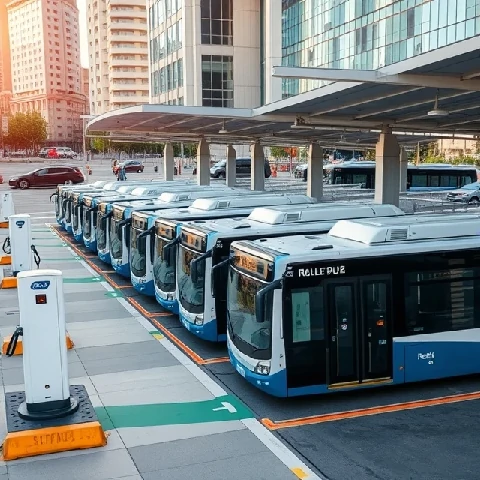
The energy transition is the shift from fossil fuels to renewable and low-carbon sources. It is not a single event. It is a decades-long process touching power generation, transport, heating, and industry. The direction is clear. The pace is not.
Coal is declining in many countries. Solar and wind are growing fast. Electric vehicles are spreading. Heat pumps are replacing gas furnaces in some markets. These changes are driven by policy, falling costs, and public pressure. They are also uneven. Some regions are moving quickly. Others are locked into fossil infrastructure.
The transition faces obstacles. Grids need upgrades. Critical minerals must be mined and processed. Workers in fossil industries need new jobs. Communities that depend on coal or oil face decline. Managing these disruptions is as important as building new capacity. A transition that leaves people behind will not last.
Key drivers
- Falling costs of renewables
- Climate policy and carbon pricing
- Technological innovation
- Investor pressure
- Public demand for clean air
Comments (2)
Leave a comment