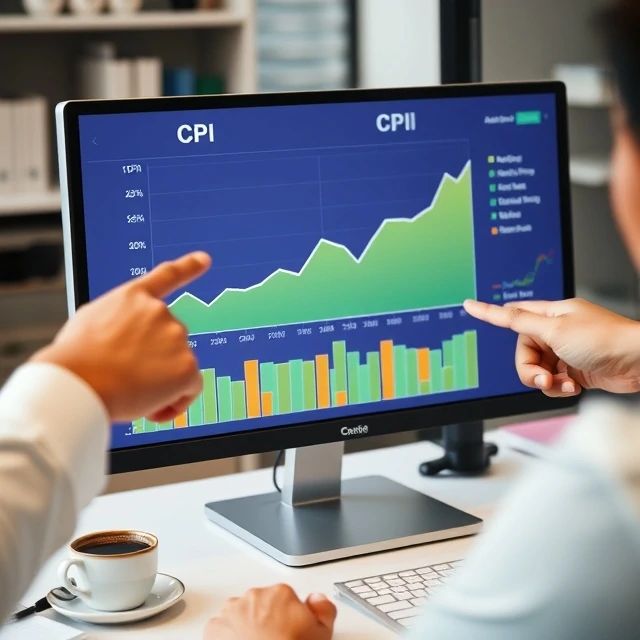
The Producer Price Index measures changes in the prices that producers receive for their goods and services. It tracks prices at the wholesale level, before goods reach consumers. Economists watch it as an early signal of inflation.
The PPI covers mining, manufacturing, agriculture, and services. It includes intermediate goods, like steel and chemicals, as well as finished goods. A rise in the PPI often precedes a rise in the Consumer Price Index, though the pass-through is not always immediate or complete.
Businesses use the PPI to adjust contracts and forecast costs. A construction company watching steel prices rise may lock in supplies early. Policymakers use it to gauge inflationary pressure. Like all price indices, it has limitations. Quality changes and substitution effects can distort the picture.
Key points
- Measures wholesale prices
- Leading indicator of inflation
- Covers goods and services
- Includes intermediate products
- Used for contract indexing
Comments
No comments yet. Be the first to share a thought.
Leave a comment