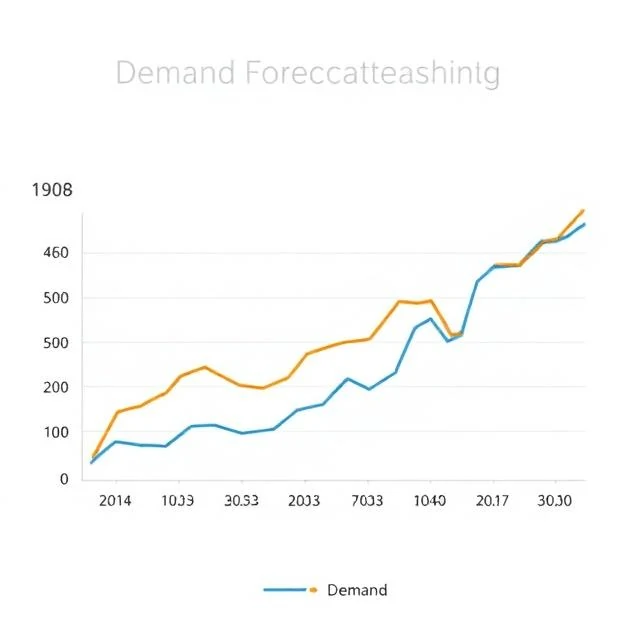
Predictive analytics forecasts future outcomes using historical data. It answers the question: what is likely to happen? A retailer predicts demand for a product next quarter. A bank predicts which customers are likely to default on a loan. A hospital predicts which patients are at risk of readmission. The predictions are probabilistic. They come with confidence levels, not guarantees. A model that predicts churn with 80 percent accuracy will be wrong 20 percent of the time. The value is in acting on the probabilities, not in expecting certainty.
The techniques range from simple regression to complex machine learning. Regression models find relationships between variables and forecast a numeric outcome. Classification models predict categories, like churn or no churn. Time series models forecast values over time, accounting for seasonality and trends. Neural networks handle complex patterns in large datasets. The quality of the prediction depends on the quality of the data and the relevance of the features. A model trained on outdated data predicts the past, not the future. A model with biased training data produces biased predictions. Feature selection matters as much as algorithm choice. The most sophisticated model cannot compensate for missing or irrelevant inputs. Predictive analytics is powerful. It is also easy to misuse. A prediction is not a decision. It is an input to a decision.
Predictive techniques
- Regression — forecast numeric values
- Classification — predict categories
- Time series — forecast trends and seasonality
- Neural networks — complex pattern recognition
- Ensemble methods — combine multiple models
Predictive analytics looks forward. The view is always uncertain. The value is in preparing for what is likely, not in knowing what is certain.
Comments
No comments yet. Be the first to share a thought.
Leave a comment