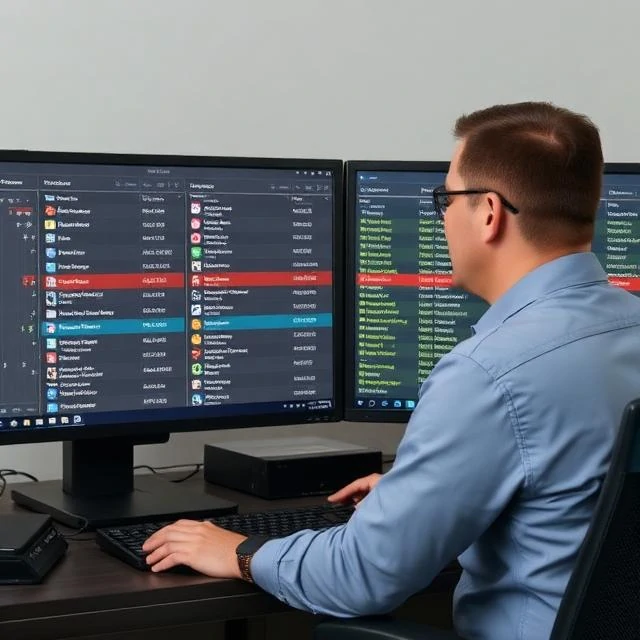
Patch management is the process of finding, testing, and applying software updates across an organization. It sounds simple. It is not. A mid-sized company runs hundreds of applications on thousands of devices. Each vendor releases patches on its own schedule. Some patches conflict with each other. Some break custom integrations. Some require downtime that the business cannot afford. The patch manager balances security against operational risk.
A good patch management program starts with inventory. You cannot patch what you do not know exists. That means tracking every server, workstation, and network device. It means knowing which software runs on each one and who owns it. Then comes prioritization. Critical vulnerabilities in internet-facing systems get patched first. Internal tools with limited exposure can wait. Testing happens in a staging environment before production. Rollback plans exist for when a patch causes problems. Automation handles the routine updates. Exceptions get tracked and reviewed. The organizations that patch well treat it as an ongoing process, not a quarterly project.
Patch management steps
- Inventory all systems and software
- Monitor vendor advisories for new patches
- Test patches in a staging environment
- Deploy to production in phases
- Verify installation and track exceptions
Most breaches exploit known vulnerabilities. Patch management closes the door before attackers walk through it.
Comments (2)
Leave a comment