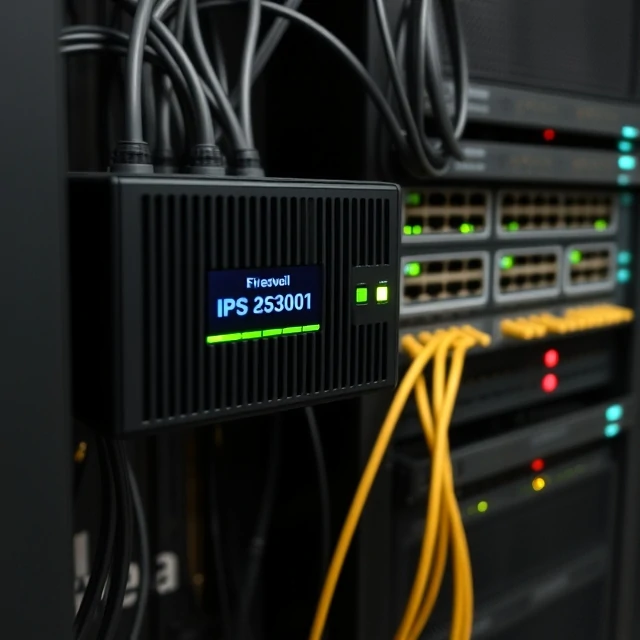
An intrusion prevention system detects and blocks network threats in real time. It sits inline, so all traffic passes through it. When it sees something malicious, it drops the packet or resets the connection. That active response stops attacks that an IDS would only report. The trade-off is risk. An IPS that blocks legitimate traffic creates an outage. False positives are expensive when the system is inline.
IPS technology overlaps with next-generation firewalls. Both inspect traffic, both block threats, and both enforce policy. The distinction has blurred. Many vendors sell unified platforms that combine firewall, IPS, and application control. Deployment requires careful tuning. Start with detection-only mode to learn what normal traffic looks like. Then enable blocking for the highest-confidence signatures. Expand gradually. An IPS that blocks too aggressively gets disabled by frustrated administrators. An IPS that blocks too little is just an expensive IDS. The goal is to stop known attacks automatically and leave the ambiguous ones for human review. Signature updates matter. A new exploit appears, and the IPS needs the rule to block it. Vendors push updates regularly. Organizations that do not apply them fall behind.
IPS deployment considerations
- Inline placement — all traffic passes through
- False positives — blocking legitimate traffic causes outages
- Signature updates — keep rules current
- Tuning — start in detection mode, expand gradually
An IPS is an automated guard. It makes split-second decisions. Those decisions are only as good as the rules and the tuning behind them.
Comments
No comments yet. Be the first to share a thought.
Leave a comment