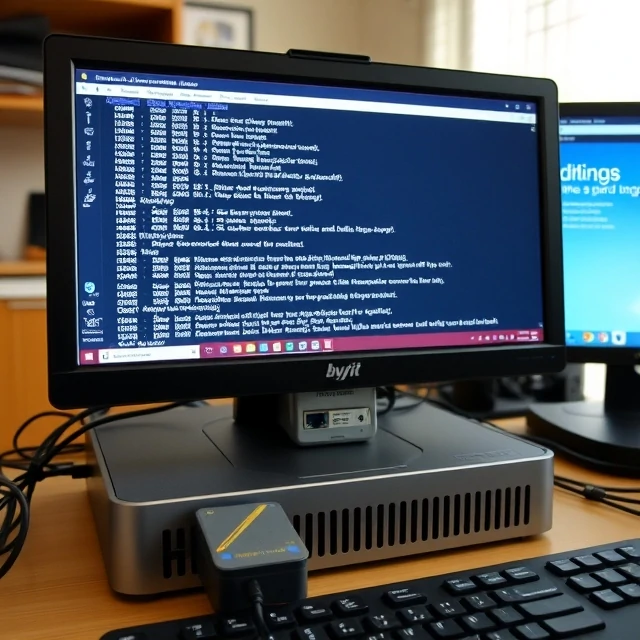
A full node stores the entire blockchain and validates every transaction against the protocol rules. It does not trust anyone else. It checks the signatures, verifies the hashes, and rejects anything invalid. Running a full node is how you participate in consensus without mining. You are not competing for block rewards. You are independently verifying that the chain is correct. If a miner tries to include an invalid transaction, your node rejects the block. Enough full nodes rejecting a bad block means the miner wasted their work.
Full nodes require storage, bandwidth, and some technical setup. Bitcoin's blockchain is over 600 gigabytes. Ethereum's archive node is larger. Light nodes download only block headers and rely on full nodes for transaction details. Light nodes are faster and cheaper but less independent. A full node is the gold standard for sovereignty. If you want to verify that your coins exist and that no one is changing the rules behind your back, run a full node. It is not necessary for casual use. It is necessary if you want to trust nothing but your own hardware.
Full node responsibilities
- Store the entire blockchain history
- Validate every transaction and block
- Relay valid transactions to peers
- Reject blocks that violate consensus rules
More full nodes mean a more resilient network. A chain with only a handful of nodes is a chain with a handful of points of failure.
Comments
No comments yet. Be the first to share a thought.
Leave a comment