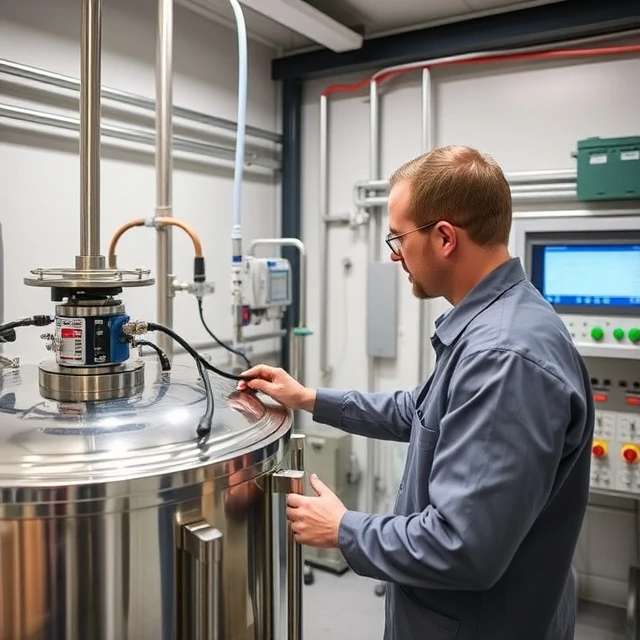
A bioprocess uses living cells or enzymes to produce a desired product. It is the engine of biomanufacturing. The cells might be bacteria making insulin, yeast making ethanol, or mammalian cells making antibodies. The enzymes might be amylases for detergents or cellulases for biofuels. The product might be a drug, a food ingredient, a chemical, or a fuel.
Bioprocesses have several components. The biocatalyst, whether cells or enzymes, does the work. The feedstock provides the raw material. The bioreactor provides the controlled environment. The downstream process purifies the product. Each component must be optimized for yield, cost, and quality. Small changes in temperature, pH, or nutrient concentration can have large effects.
Bioprocesses are often more sustainable than chemical processes. They run at lower temperatures and pressures, use renewable feedstocks, and produce less hazardous waste. But they are not automatically green. They consume water and energy, and they generate waste biomass. Life cycle analysis is needed to confirm the benefits.
The field is growing as industries look for biological alternatives to chemical synthesis. The challenge is scale and cost. A process that works in a lab must work in a 100,000-liter tank, reliably and economically. That is where bioprocess engineering earns its keep.
Comments
No comments yet. Be the first to share a thought.
Leave a comment