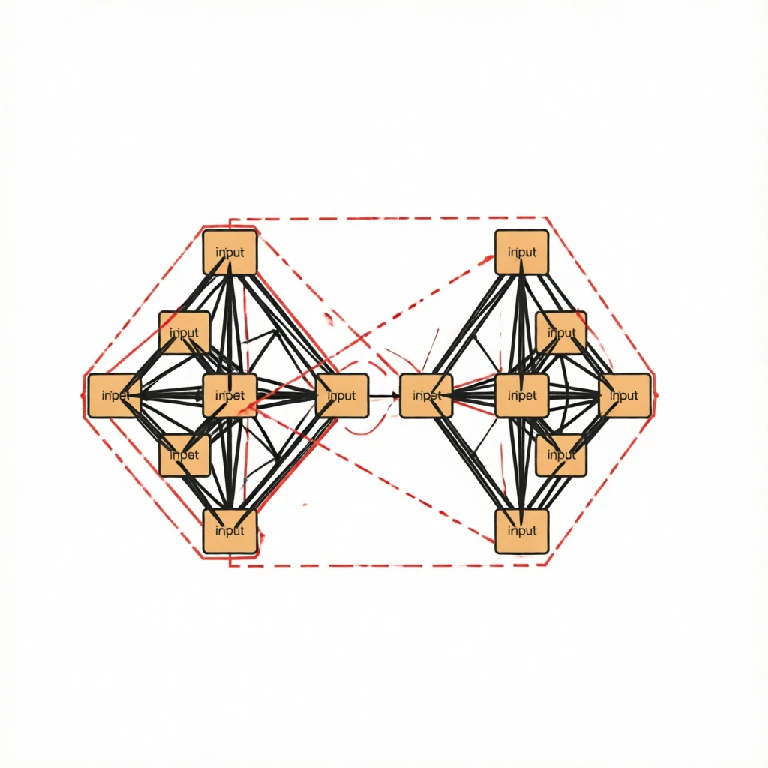
Two networks compete. One generates fake samples. The other judges whether they are real. Training pushes the generator to fool the discriminator, and the discriminator to catch the fakes. The result is a generator capable of producing convincing synthetic data.
Ian Goodfellow introduced the idea in 2014. It quickly produced photorealistic faces, style transfers, and image-to-image translations. GANs powered much of the early excitement around generative AI.
Common variants
- DCGAN for image generation
- CycleGAN for unpaired translation
- StyleGAN for high-fidelity faces
- Conditional GANs for controlled output
Training is unstable. Mode collapse reduces diversity. Oscillation between generator and discriminator prevents convergence. Diffusion models have overtaken GANs for many image tasks, but GANs remain fast at inference and useful in specialized applications.
Comments
No comments yet. Be the first to share a thought.
Leave a comment