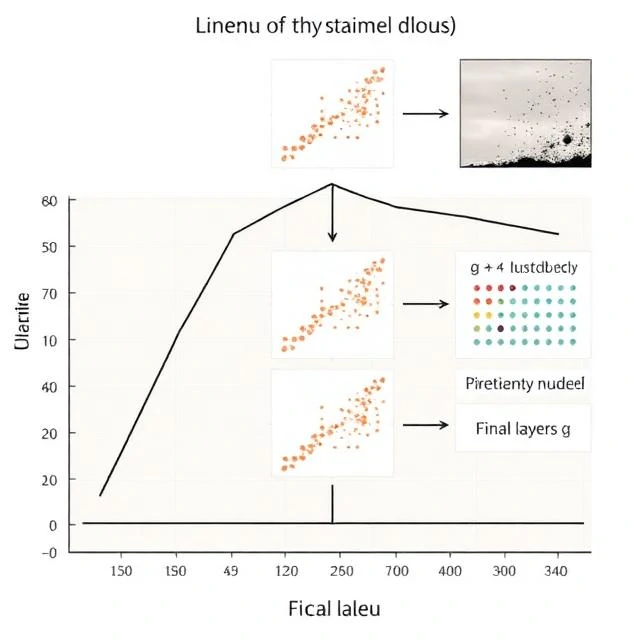
Pretraining gives a model general knowledge. Fine-tuning specializes it. The process continues training on a smaller, task-specific dataset, adjusting weights so the model performs well on the target domain.
Full fine-tuning updates every parameter, which is expensive for large models. Parameter-efficient methods like LoRA and adapters update only a small subset, achieving comparable results at a fraction of the compute.
Common fine-tuning scenarios
- Adapting a language model to a domain
- Teaching a vision model new categories
- Aligning a model with human preferences
- Improving performance on a specific benchmark
Fine-tuning can also cause problems. A model may overfit to the new data, losing general capabilities. Catastrophic forgetting erases knowledge from pretraining. Careful learning rates, data mixing, and evaluation help mitigate the risk.
Comments (3)
Leave a comment