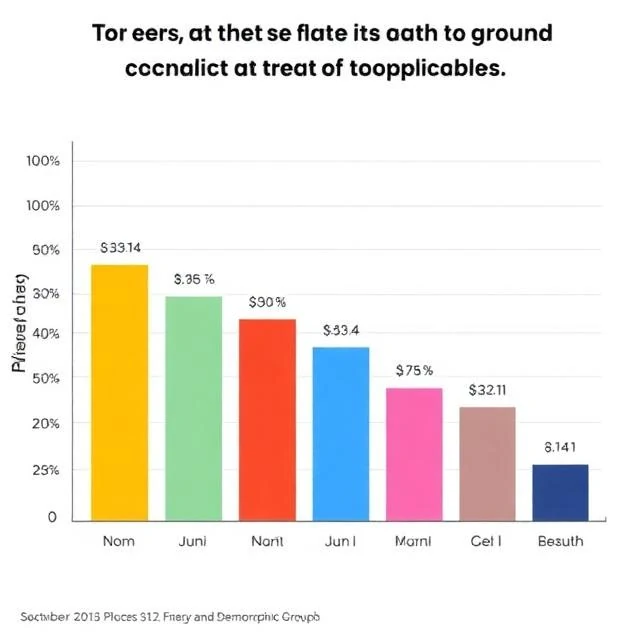
Models learn from data, and data carries history. Train a hiring system on decades of decisions that favoured one group and the system reproduces that pattern, often with more confidence and less visibility than a human would. That is algorithmic bias.
Sources are varied. Underrepresented groups in training data get worse predictions. Proxy variables like postcode can stand in for race or class. Objective functions that optimize for overall accuracy may sacrifice performance on minorities.
Common manifestations
- Facial recognition error rates differing by skin tone
- Credit scoring penalizing certain neighbourhoods
- Recommendation systems amplifying stereotypes
- Medical models trained on non-representative populations
Fixes range from rebalancing datasets to fairness constraints during training to post-hoc audits. None is complete, and definitions of fairness can conflict mathematically. Choosing which definition to use is a policy decision, not a technical one.
Comments
No comments yet. Be the first to share a thought.
Leave a comment