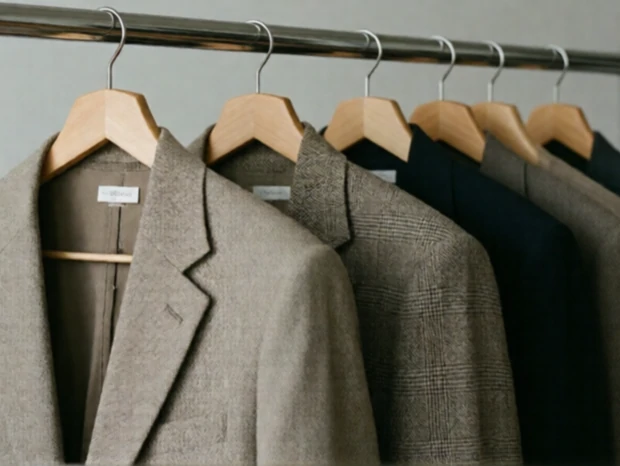
Slow fashion is an approach that emphasizes quality, durability, and ethical production. It is a response to fast fashion, which prioritizes speed and low prices. Slow fashion brands make fewer garments, use better materials, and pay attention to working conditions. The goal is clothing that lasts, both in construction and in style.
The movement has several principles. Designers choose natural or recycled fibers over virgin synthetics. They produce in small batches to avoid overstock. They pay workers fair wages and ensure safe conditions. They design timeless pieces rather than chasing every trend. Some brands offer repair services. Others take back worn garments for resale or recycling. Transparency matters. Slow fashion labels often publish information about their supply chains.
Slow fashion has challenges. Prices are higher because the costs are real. Production is slower, so availability is limited. Scaling without compromising values is difficult. Consumers must be willing to buy less and keep things longer. That shift in mindset is the hardest part. The movement remains small compared with the global apparel industry. But it has influenced larger brands, many of which now offer sustainability lines and repair programs. The pressure is working, slowly.
Key principles
- Quality over quantity
- Ethical labor
- Durable materials
- Timeless design
- Transparency and repair
Comments
No comments yet. Be the first to share a thought.
Leave a comment