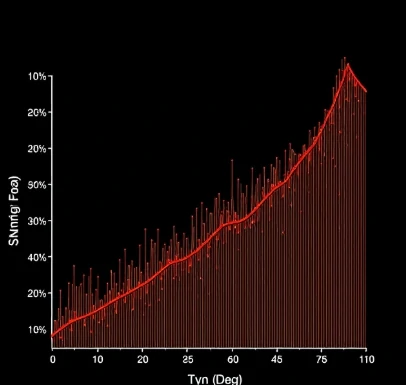
Long-term potentiation is a lasting increase in the strength of synaptic transmission that follows brief, high-frequency stimulation of a pathway. It is widely regarded as a cellular mechanism underlying learning and memory.
When a presynaptic neuron fires rapidly and repeatedly onto a postsynaptic neuron, the synapse becomes more efficient. Subsequent signals produce larger postsynaptic responses. The process depends heavily on NMDA receptors, which allow calcium to enter only when the postsynaptic cell is already depolarized. Calcium triggers molecular cascades that insert more AMPA receptors into the membrane and can lead to structural changes such as the growth of new dendritic spines.
Long-term potentiation has been studied most extensively in the hippocampus, yet similar processes occur in other brain regions. Blocking the molecular steps of LTP impairs certain forms of learning in animals; enhancing them can improve performance. The phenomenon provides a concrete bridge between experience and lasting change in neural circuits.
When a synapse remembers recent intense activity by becoming stronger, long-term potentiation is at work.
Comments
No comments yet. Be the first to share a thought.
Leave a comment