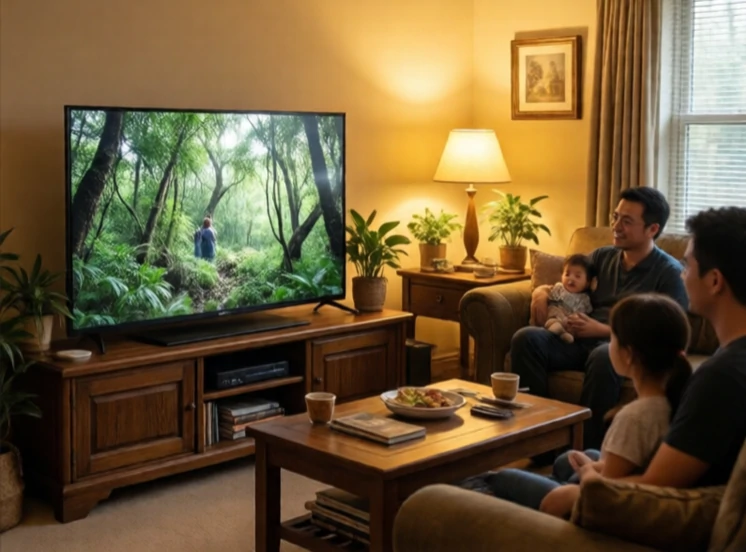
A display is an electronic screen for presenting visual information. It turns electrical signals into images you can see. Displays are everywhere: phones, laptops, televisions, car dashboards, ATM screens, and smartwatches. The technology behind them has changed dramatically over the decades.
Early displays used cathode ray tubes, bulky glass tubes that fired electrons at a phosphor screen. LCDs replaced them with liquid crystals and backlights. OLEDs use organic compounds that emit their own light, allowing thinner panels and deeper blacks. MicroLED is the next step, promising brightness and efficiency.
Key specs
- Resolution: number of pixels, like 1920x1080
- Refresh rate: how many times per second the image updates
- Brightness: measured in nits
- Color gamut: range of colors it can show
- Response time: how fast pixels change
Displays affect how we work and play. A high refresh rate makes games smoother. A wide color gamut matters for photo editing. A dim screen is hard to read outdoors. The screen is often the most-used part of any device.
Comments
No comments yet. Be the first to share a thought.
Leave a comment