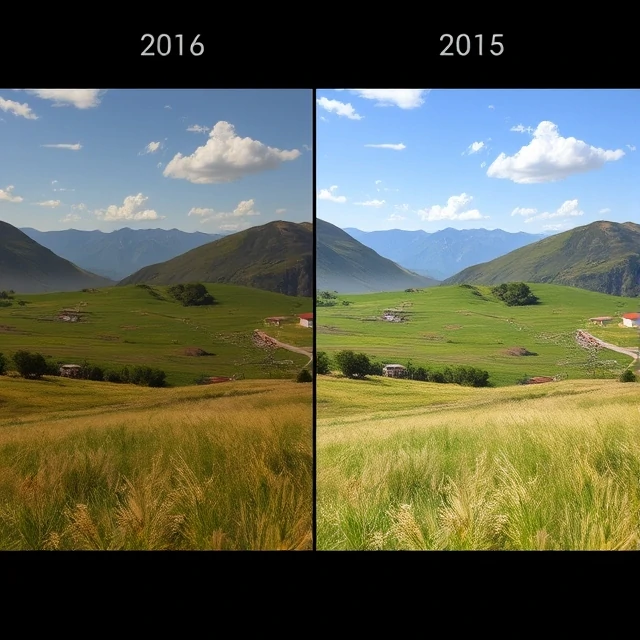
Resolution is the amount of detail an image holds. It is measured in pixels. A 24-megapixel image has 24 million pixels. A 50-megapixel image has 50 million. More pixels mean more detail, which allows for larger prints and more cropping. But resolution is not the only measure of image quality. A high-resolution image with poor optics, high noise, or bad technique will not look good. Resolution is a necessary but not sufficient condition for a sharp, detailed image.
Resolution is also used to describe displays and prints. A 4K display has a resolution of 3840 by 2160 pixels. A 1080p display has 1920 by 1080. Print resolution is measured in pixels per inch. A print at 300 ppi is considered high quality. A print at 150 ppi is acceptable for large prints viewed from a distance. The resolution needed depends on how the image will be used. A social media image needs far fewer pixels than a billboard. A billboard, viewed from a distance, can be printed at low resolution and still look sharp. Resolution is not about the number of pixels. It is about whether the image has enough detail for its intended use.
Resolution facts
- Pixels. The more pixels, the more detail.
- Print. 300 ppi is high quality.
- Display. 4K is 3840 by 2160.
- Cropping. More resolution allows more cropping.
- Quality. Resolution is not the same as sharpness.
Resolution is not the same as megapixels. Megapixels are a measure of sensor resolution. Resolution is a broader concept that applies to images, displays, and prints.
Comments
No comments yet. Be the first to share a thought.
Leave a comment