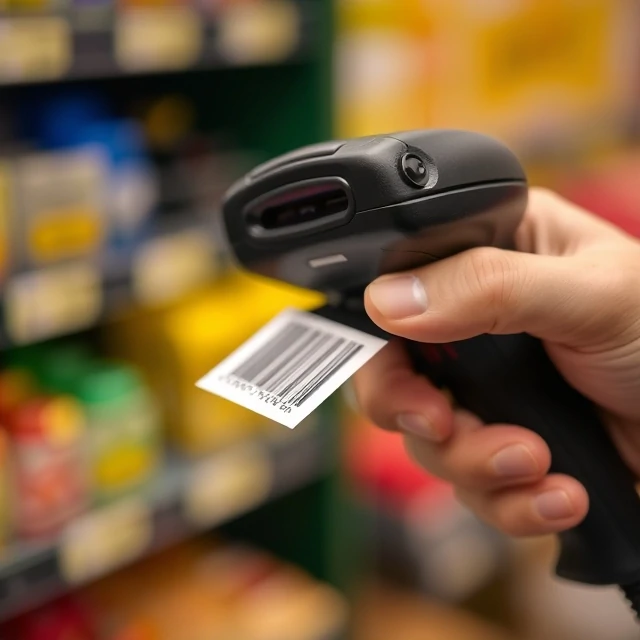
A simple pattern of lines still moves most of the world’s packages. A barcode is a machine-readable optical code that encodes identifying data about a product, carton, or shipment.
Scanners convert the pattern into digital information that updates inventory systems, verifies picks, and confirms deliveries. Linear barcodes remain common on consumer goods; two-dimensional codes such as QR codes hold more data in a smaller footprint. Standards bodies define symbologies so that codes print and scan reliably across supply chains.
Accurate barcode placement and print quality determine whether automated processes succeed or stall. Damaged or poorly printed codes force manual entry and slow the flow. Despite newer radio-frequency technologies, barcodes continue to dominate because they are inexpensive and universally understood.
- Machine-readable optical product identifier
- Scanned to update inventory and track movement
- Includes linear and two-dimensional formats
- Relies on print quality and placement
Comments
No comments yet. Be the first to share a thought.
Leave a comment